
New to buying abayas online? This abaya buying guide covers types, fabrics, fit, and sizing so you can order internation...

If you have ever eaten Kabsa at a Saudi household or restaurant and wondered how something so simple, rice, meat, a few vegetables, ends up tasting that layered and warm, the answer is almost always the spices. Not one spice. A blend, usually made in-house or bought pre-mixed from a trusted spice seller, built up over generations of small adjustments.
Saudi spices are not the same as generic Middle Eastern spices, and they are not the same as Indian or Pakistani masalas either, even though people often lump them together because the flavor profiles can overlap. Saudi spice blends have their own character: warm rather than fiery, aromatic rather than sharp, built around cardamom, cinnamon, cloves, and dried lime rather than heavy chilli.
This guide walks through the actual spices used in Saudi cooking, what the Kabsa spice mix is made of, how Mandi differs from it, and how to use these properly if you are cooking at home outside Saudi Arabia.
Saudi cuisine sits at a crossroads. It has Bedouin roots, Ottoman influence from centuries of trade, and closeness to both East African and South Asian spice routes through the Red Sea and Gulf ports. The result is a spice tradition that borrows a bit from everywhere but has settled into something distinctly its own.
Compared to Indian spice blends, Saudi spices are gentler. There is less chilli heat and more focus on aromatic warmth from whole spices like cardamom, cinnamon, and cloves. Compared to Levantine cooking ( Lebanese, Syrian, Jordanian ), Saudi food leans more heavily on dried lime, a sour, slightly fermented flavor that is genuinely unique to Gulf cuisine and rarely found elsewhere.
The blend that define Saudi cooking more than any other is the Kabsa spice mix.
Kabsa is widely considered the national dish of Saudi Arabia, a one-pot rice and meat dish where everything cooks together in a spiced broth. The word Kabsa comes from the Arabic word meaning to press or squeeze, referring to how the ingredients are cooked tightly together under a lid so the flavors combine fully.
The spice blend is what carries the whole dish. Here is what a proper Saudi Kabsa spice mix contains.
| Spice | What It Brings to the Blend |
|---|---|
| Cardamom (Green) | The backbone of the blend. Floral, slightly sweet, and unmistakably Kabsa. |
| Cinnamon | Provides warmth and gentle sweetness that rounds out the spice mix. |
| Cloves | Adds a deep, slightly bitter aroma and is typically used in small amounts. |
| Black Pepper | Creates mild background heat without overpowering the other spices. |
| Coriander Seed | Brings citrusy, slightly nutty notes that balance the heavier spices. |
| Cumin | Adds earthy depth and is a staple in many Middle Eastern spice blends. |
| Loomi (Dried Black Lime) | Provides the signature Gulf sourness. Used ground or whole with a few holes pierced. |
| Turmeric | Contributes vibrant color and a subtle earthy note rather than a dominant flavor. |
| Saffron | Used sparingly for its golden color and delicate floral aroma. |
| Bay Leaf | Added whole during cooking to infuse flavor, then removed before serving. |
| Nutmeg (Optional) | A small amount adds warmth and complexity in some traditional family recipes. |
Not every Kabsa spice mix uses all of these in equal amounts, and every Saudi household has their own ratio passed down through the family. Commercial blends ( including the well-known Mehran-style Saudi Kabsa spice packets found in South Asian grocery stores ) tend to simplify the mix and lean more on cumin and coriander, while home-ground versions from Saudi kitchens usually favor cardamom and dried lime more heavily.
The spice mix itself is straightforward to use once you have it. The basic method looks like this.
Brown your meat ( chicken, lamb, or beef ) with onions and garlic in a large pot, using ghee or oil.
Add 2 to 3 tablespoons of Kabsa spice mix per kilogram of meat and stir until the spices coat everything and become fragrant.
Add tomatoes or tomato paste, a whole loomi ( pierced with a few holes ) if not already in your powdered mix, and enough water or stock to cover.
Simmer until the meat is tender, then remove it and cook rice in the same spiced broth so it absorbs all the flavor.
Layer the rice and meat back together, garnish with fried onions, raisins, and toasted almonds if you like the traditional presentation.
Kabsa spice mix is not limited to Kabsa itself. It works well rubbed onto grilled or roasted chicken, stirred into a simple tomato-based stew, or even used sparingly on roasted vegetables for a Gulf-inspired side dish.
Beyond the two headline blends, here are the individual spices that show up repeatedly across Saudi cooking, whether in Kabsa, Mandi, or everyday home dishes.
Baharat means simply spices in Arabic, and it refers to a general-purpose warm spice blend used across the Gulf and Levant. A Saudi Baharat blend usually includes black pepper, cumin, coriander, cinnamon, cloves, cardamom, and nutmeg, similar to Kabsa spice but usually without the loomi, making it more versatile for soups, stews, and grilled meats.
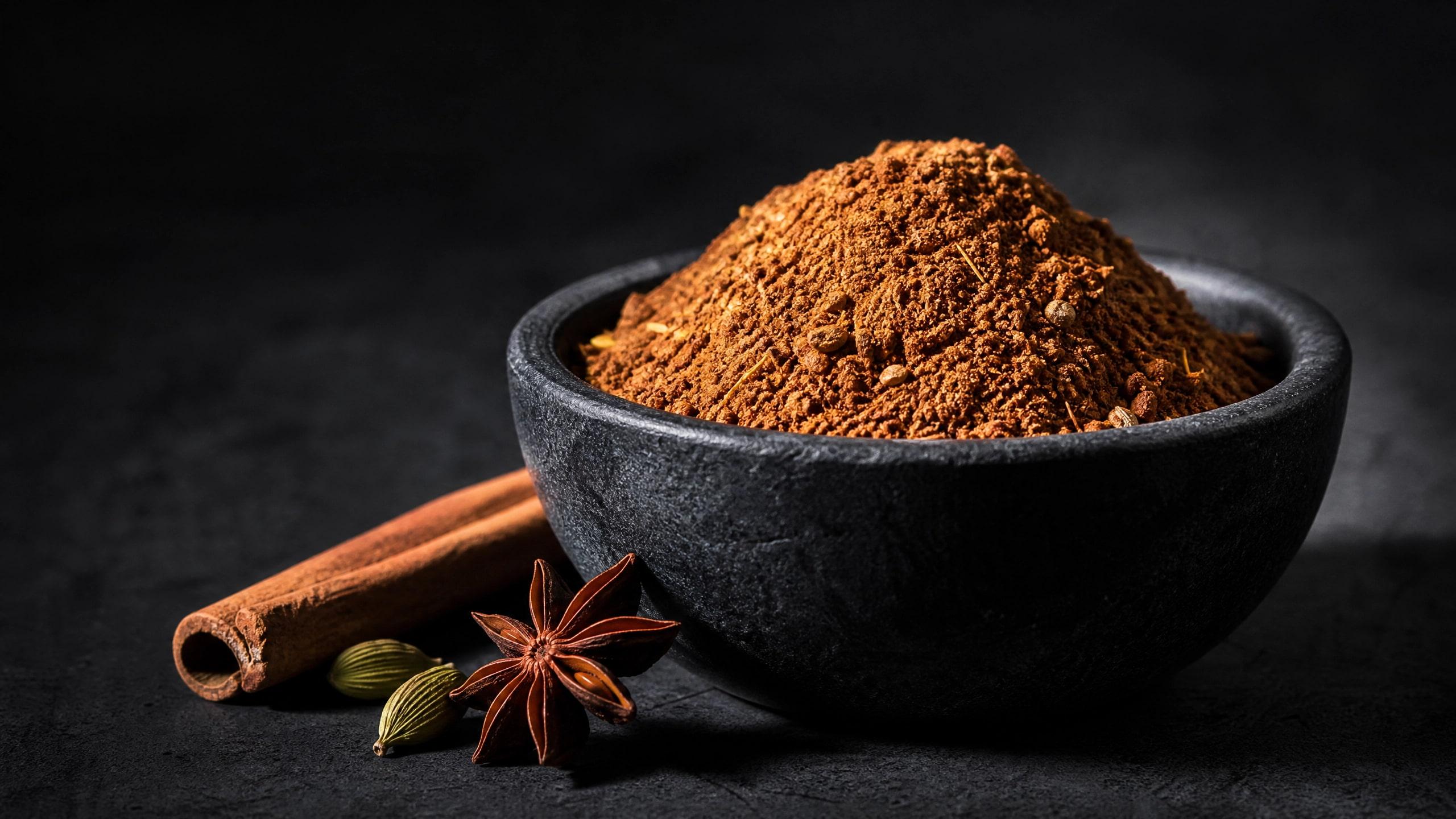
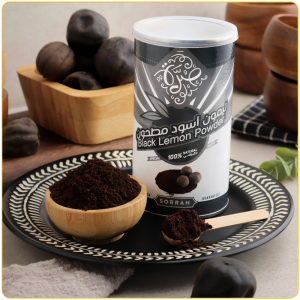
This deserves its own mention because it is the ingredient most home cooks outside the Gulf have never worked with. Loomi is a lime that has been boiled in salt water and then sun-dried until it turns black and hard. Ground or used whole with holes pierced, it adds a sour, slightly fermented, almost smoky flavor that cannot be replicated with fresh lime juice. It is central to Kabsa, common in Gulf soups, and used in some fish preparations too.
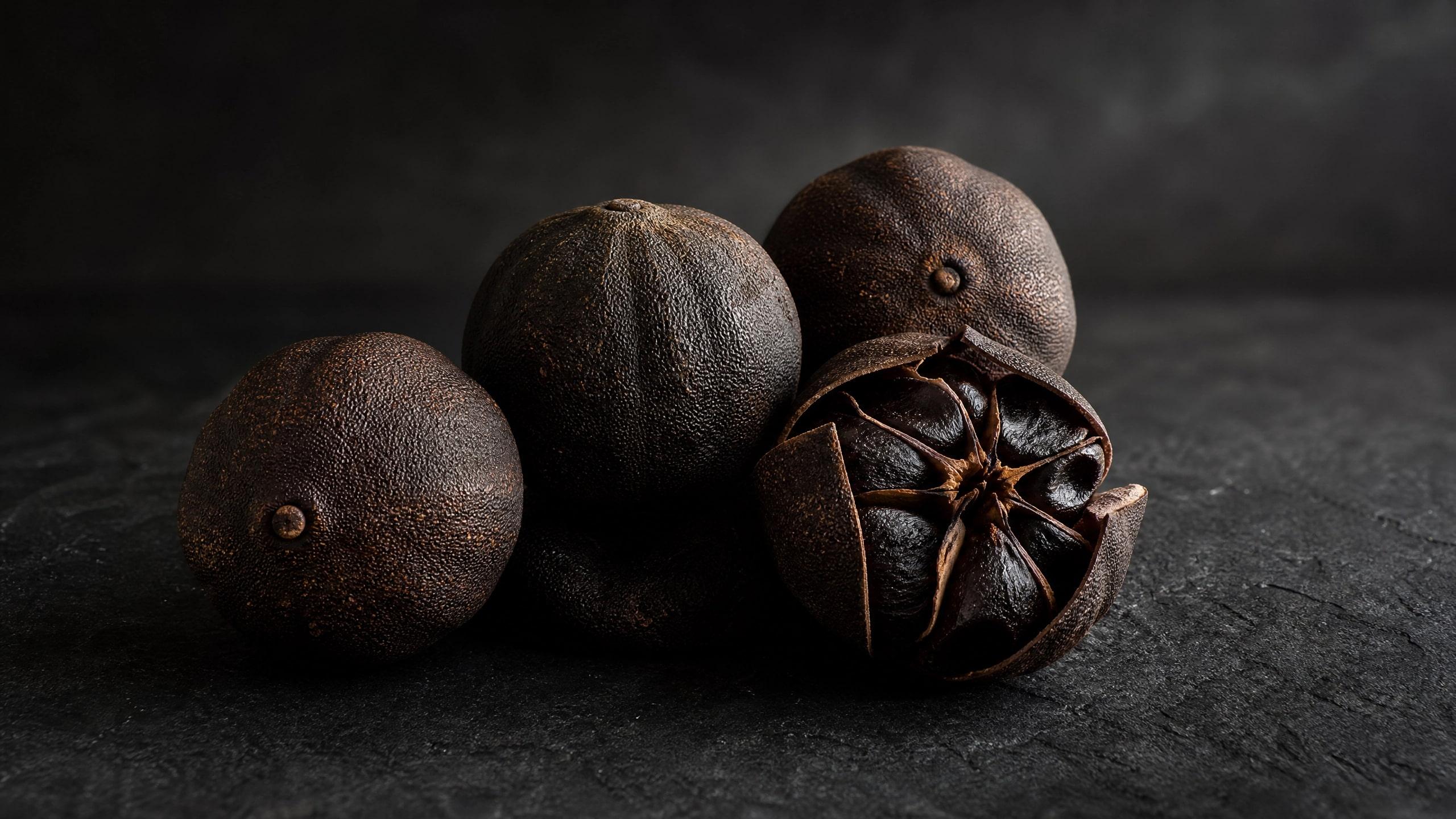
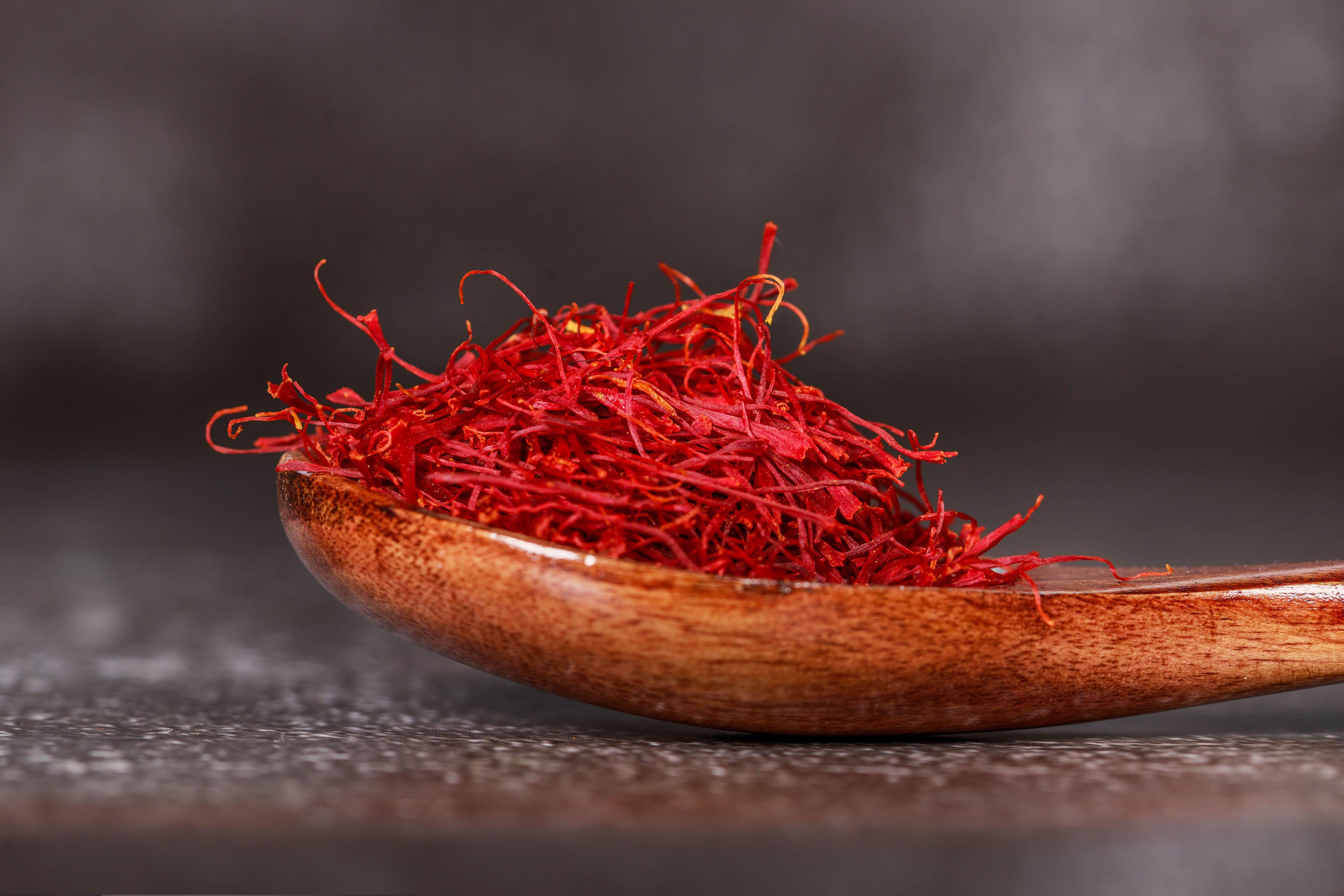
Saudi Arabia is a significant consumer of saffron, mostly used in rice dishes, Qahwa (Saudi Arabic coffee), and some desserts. A small pinch steeped in warm water or milk before adding to rice gives Kabsa and Mandi their characteristic golden color and floral aroma.
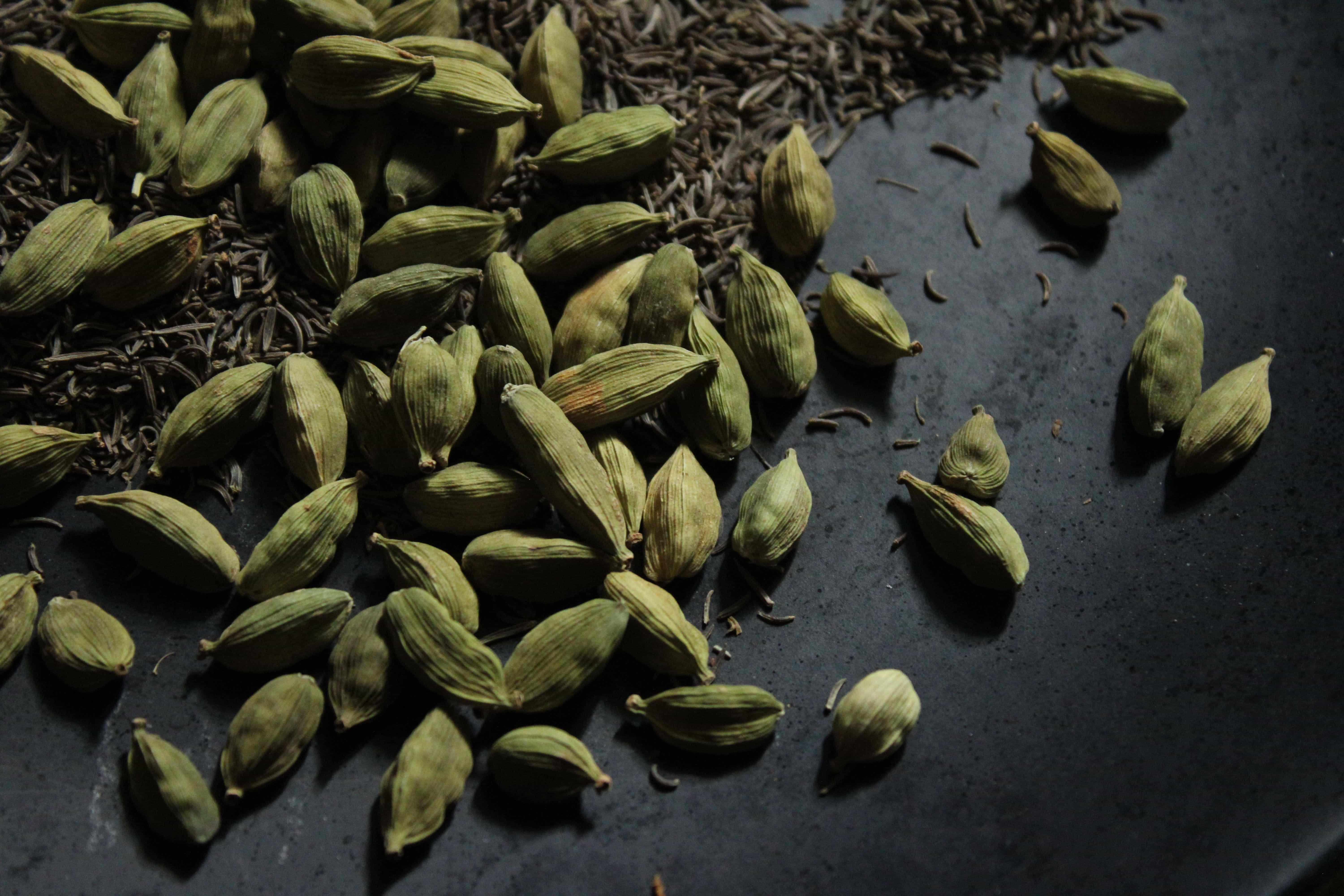
If there is one spice that defines Saudi flavor more than any other, it is cardamom. It appears in Kabsa, Mandi, Baharat, desserts, and most famously in Qahwa, where lightly roasted coffee beans are brewed with generous amounts of crushed cardamom pods.
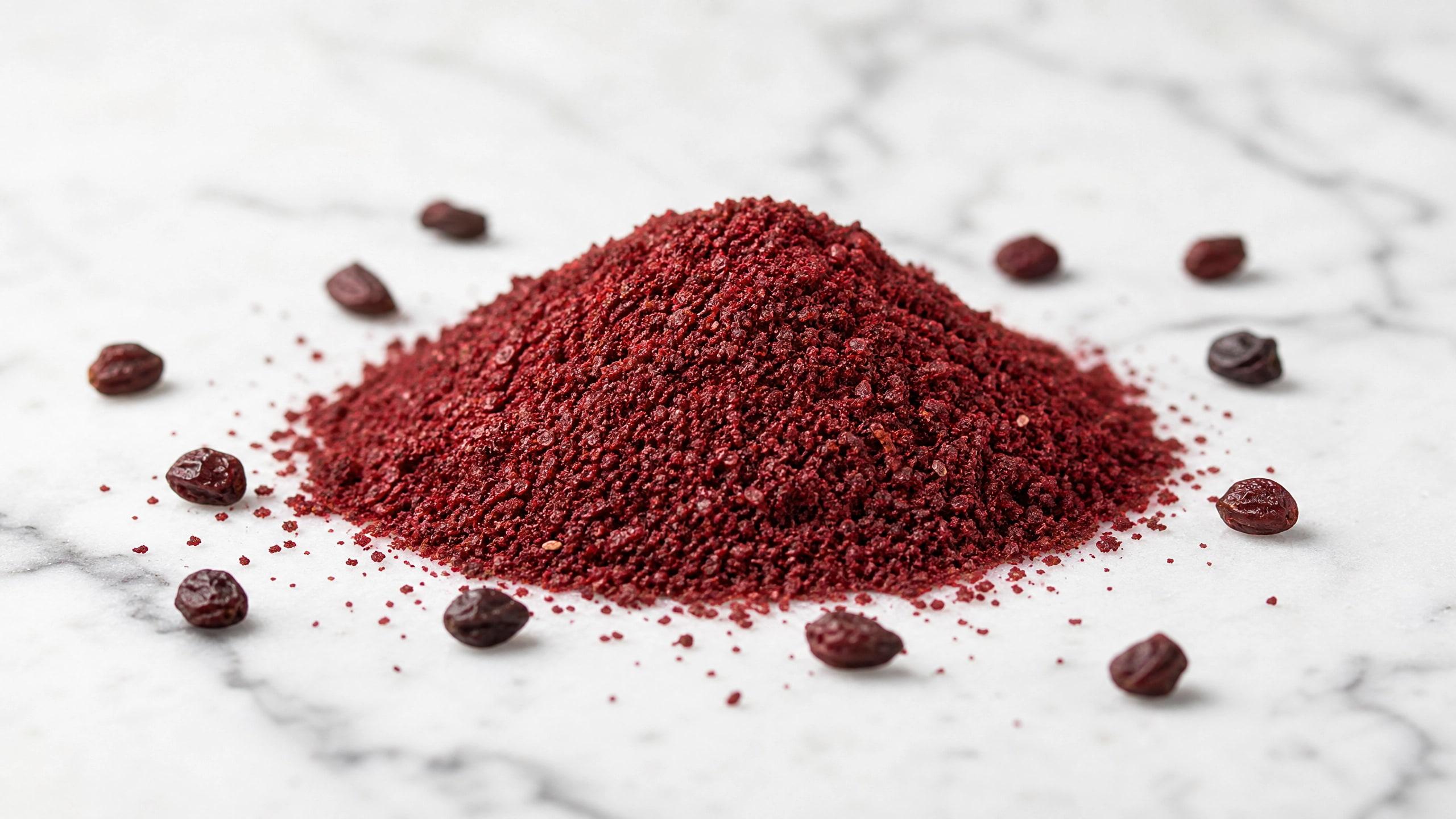
Tangy and deep red, sumac is used as a finishing spice rather than a cooking spice, sprinkled over salads, grilled meats, and rice just before serving for a bright, lemony hit.
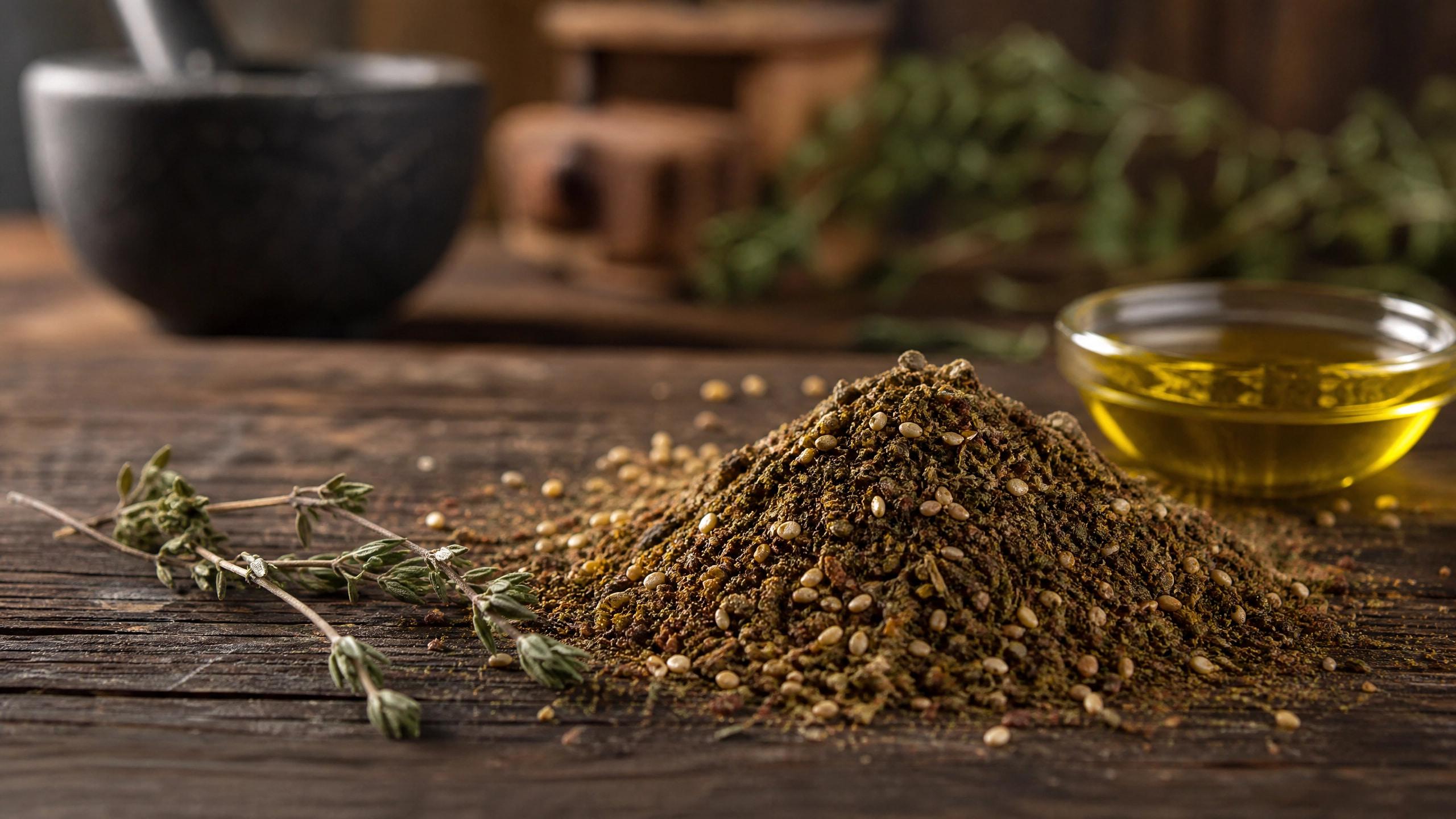
A blend of dried thyme, sesame seeds, and sumac, za'atar is more commonly associated with Levantine cooking but is widely used across Saudi Arabia too, especially with bread and olive oil at breakfast.
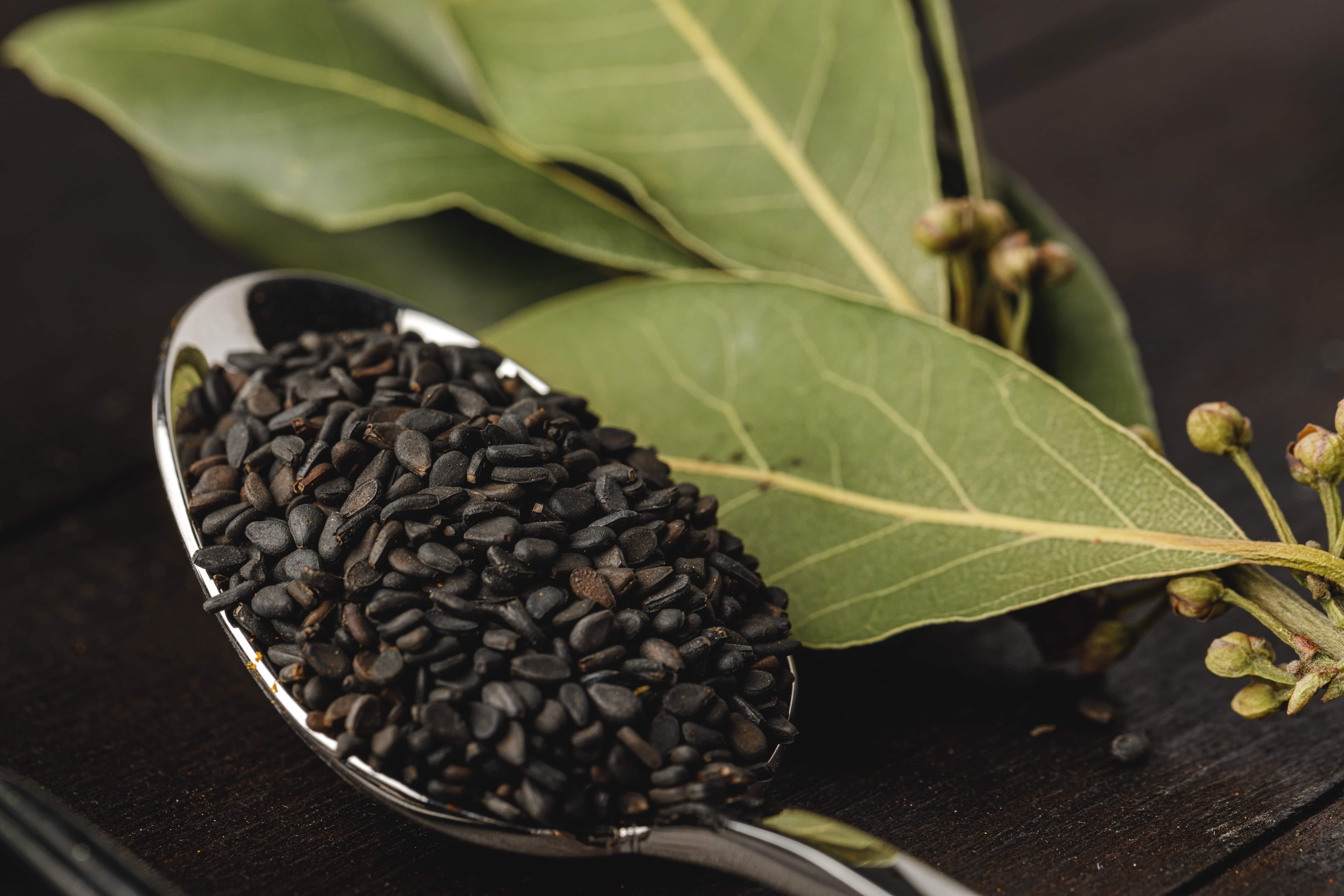
Technically more of a health-food staple than a culinary spice, black seed appears in some traditional Saudi bread and occasionally in savory dishes, valued as much for its documented health properties as its flavor.
Saudi Arabia does not grow the majority of its spices domestically. Historically, spices arrived through trade routes connecting the Arabian Peninsula to India, East Africa, and the Levant, and that trading heritage is still reflected in how Saudi spice companies source and blend today.
What Saudi Arabia has genuinely built expertise in is blending. Spice companies across the Kingdom source high-quality raw spices and combine them into the specific ratios that define Kabsa, Mandi, and Baharat, often using recipes refined over generations. That blending know-how is exactly what makes an authentic Saudi spice mix different from a generic Middle Eastern spice blend made elsewhere.
For buyers outside Saudi Arabia, sourcing from a company that blends according to genuine Saudi ratios and uses properly sourced loomi and cardamom makes a real difference in the final dish, which is why so many people who cook Kabsa at home end up disappointed with generic supermarket spice mixes.
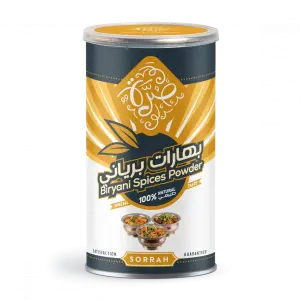
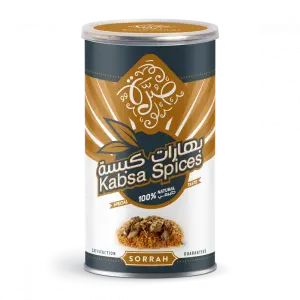
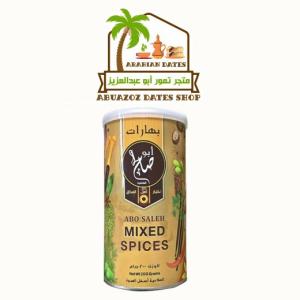
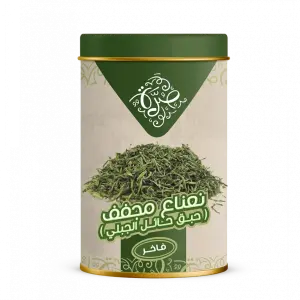
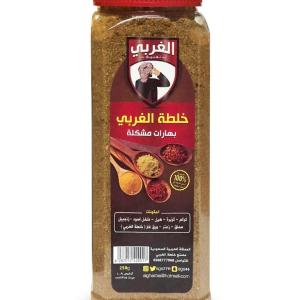
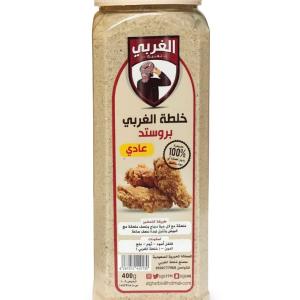
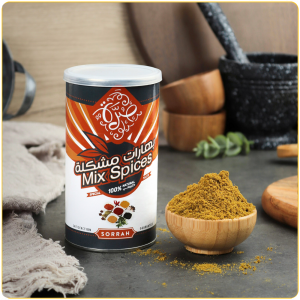
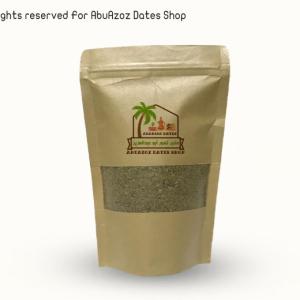
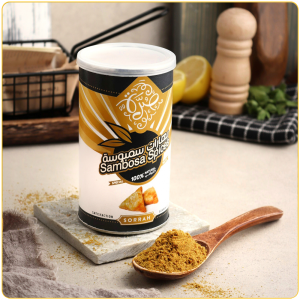
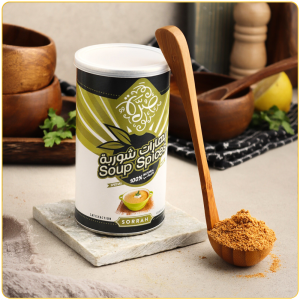
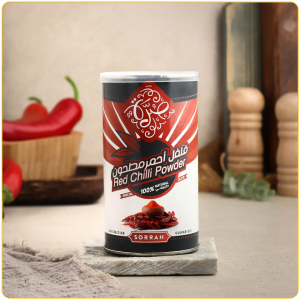
You do not need a full spice cabinet to start cooking Saudi food properly. A good Kabsa spice mix, a bag of loomi, and a small amount of saffron will let you make an authentic version of the country's most iconic dish. From there, Baharat becomes your everyday warm spice for stews and grilled meat, and za'atar becomes your breakfast and snack spice.
What matters most is starting with spices that are properly sourced and correctly balanced. Saudi spices are subtle in a way that rewards good ingredients and punishes shortcuts. A cheap, poorly blended Kabsa mix will taste flat no matter how carefully you follow the rest of the recipe.
Shop Authentic Saudi Spices on At Tent Kabsa spice mix, Mandi blends, Baharat, loomi, saffron, and more. Sourced and blended for authentic Saudi flavor . |
A traditional Saudi Kabsa spice mix includes green cardamom, cinnamon, cloves, black pepper, coriander seed, cumin, dried black lime (loomi), turmeric, saffron, and bay leaf. Some family recipes also add a small amount of nutmeg. The exact ratio varies by household and by brand, but cardamom and loomi are the two ingredients that give Kabsa its most recognizable flavor.
Kabsa spice mix is more tomato-forward and includes a strong sour note from dried lime (loomi), giving it a deeper, more intensely spiced flavor. Mandi spice is lighter and relies more on the smoking technique used to cook the meat, with less emphasis on tomato and sourness. Both use similar base spices like cardamom, cinnamon, and cumin, but the overall taste and cooking method are distinctly different.
Yes. Toast whole cardamom pods, cinnamon sticks, cloves, coriander seeds, cumin seeds, and black peppercorns in a dry pan for 3 to 4 minutes until fragrant, then grind them together with ground turmeric and a small amount of ground dried lime (loomi). Store in an airtight container. Many people prefer to buy a pre-blended, properly sourced Saudi Kabsa mix since achieving the right ratio and finding quality loomi can be difficult for first-time home cooks.
Loomi, also called dried black lime, is a lime that has been boiled in salted water and then sun-dried until hard and black. It has a distinctly sour, slightly fermented, smoky flavor used throughout Gulf cooking, particularly in Kabsa and soups. It is available whole or ground and can be sourced through Middle Eastern grocery stores or specialist Saudi and Gulf food suppliers online.
Baharat is a general-purpose warm spice blend used across the Gulf and Levant, typically including black pepper, cumin, coriander, cinnamon, cloves, cardamom, and nutmeg. Unlike Kabsa spice, Baharat usually does not include dried lime, making it milder and more versatile for use in stews, grilled meats, and soups rather than being tied to one specific dish.
Saudi spices are generally warm and aromatic rather than hot. Unlike Indian spice blends, which often include significant chilli heat, Saudi blends like Kabsa and Baharat focus on cardamom, cinnamon, cloves, and cumin for depth and warmth, with black pepper providing only mild heat. The distinctive sourness from dried lime is a much bigger flavor factor than spiciness.
Long-grain basmati rice is the standard choice for Saudi Kabsa. It is typically washed and soaked before cooking, then simmered in the spiced broth left over from cooking the meat, which allows the rice to absorb the full flavor of the Kabsa spice mix, tomato, and dried lime.
Share:
New to buying abayas online? This abaya buying guide covers types, fabrics, fit, and sizing so you can order internation...

Some of Saudi Arabia's most beloved baked goods are still unknown to much of the world. Explore traditional favorites li...

The Saudi thobe is more than traditional clothing. This guide covers what it is, how it differs from other styles, how t...
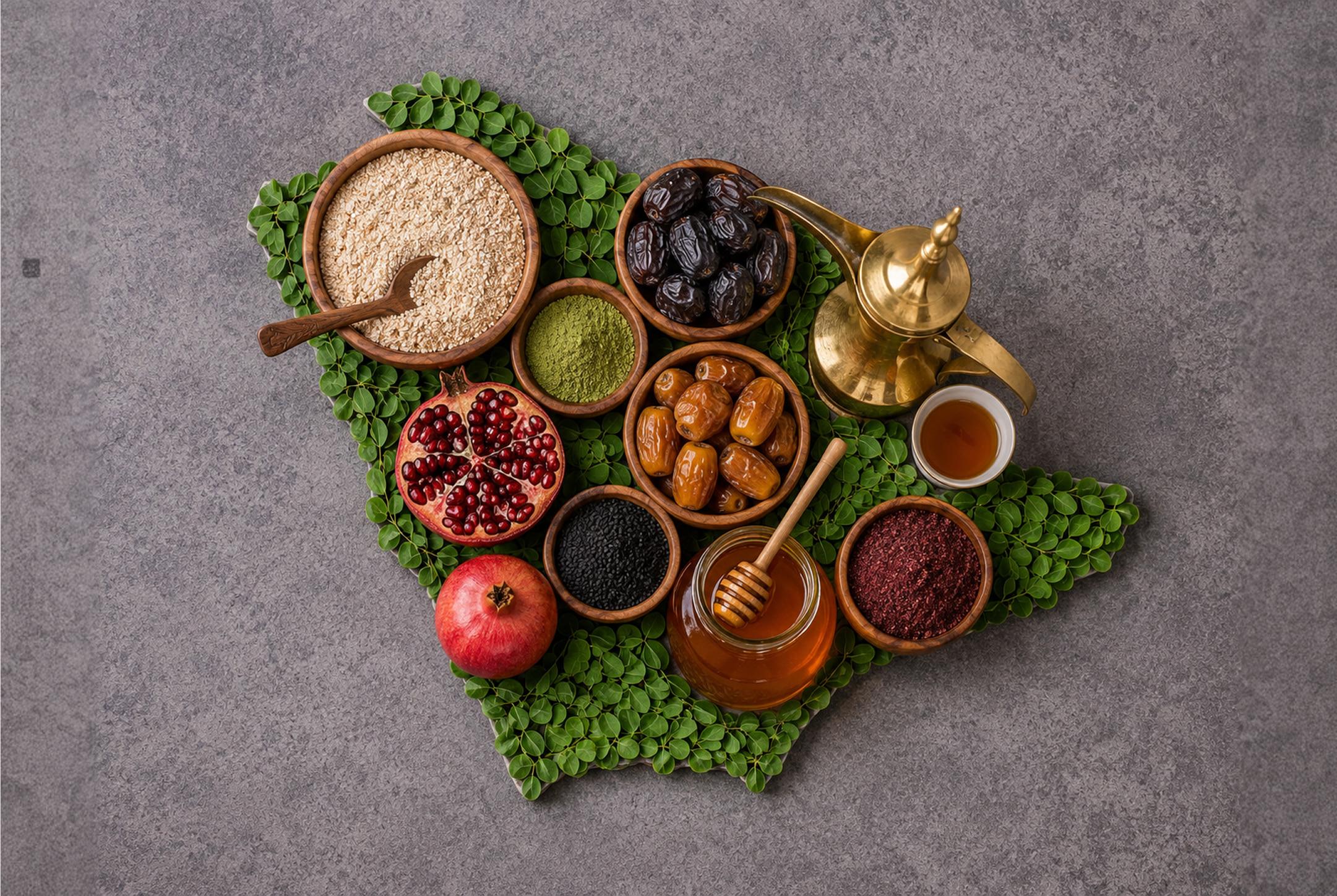
Ten Saudi-origin superfoods nutritionists and health buyers seek worldwide. From Ajwa dates to black seed and Talbina, d...