New to buying abayas online? This abaya buying guide covers types, fabrics, fit, and sizing so you can order internation...

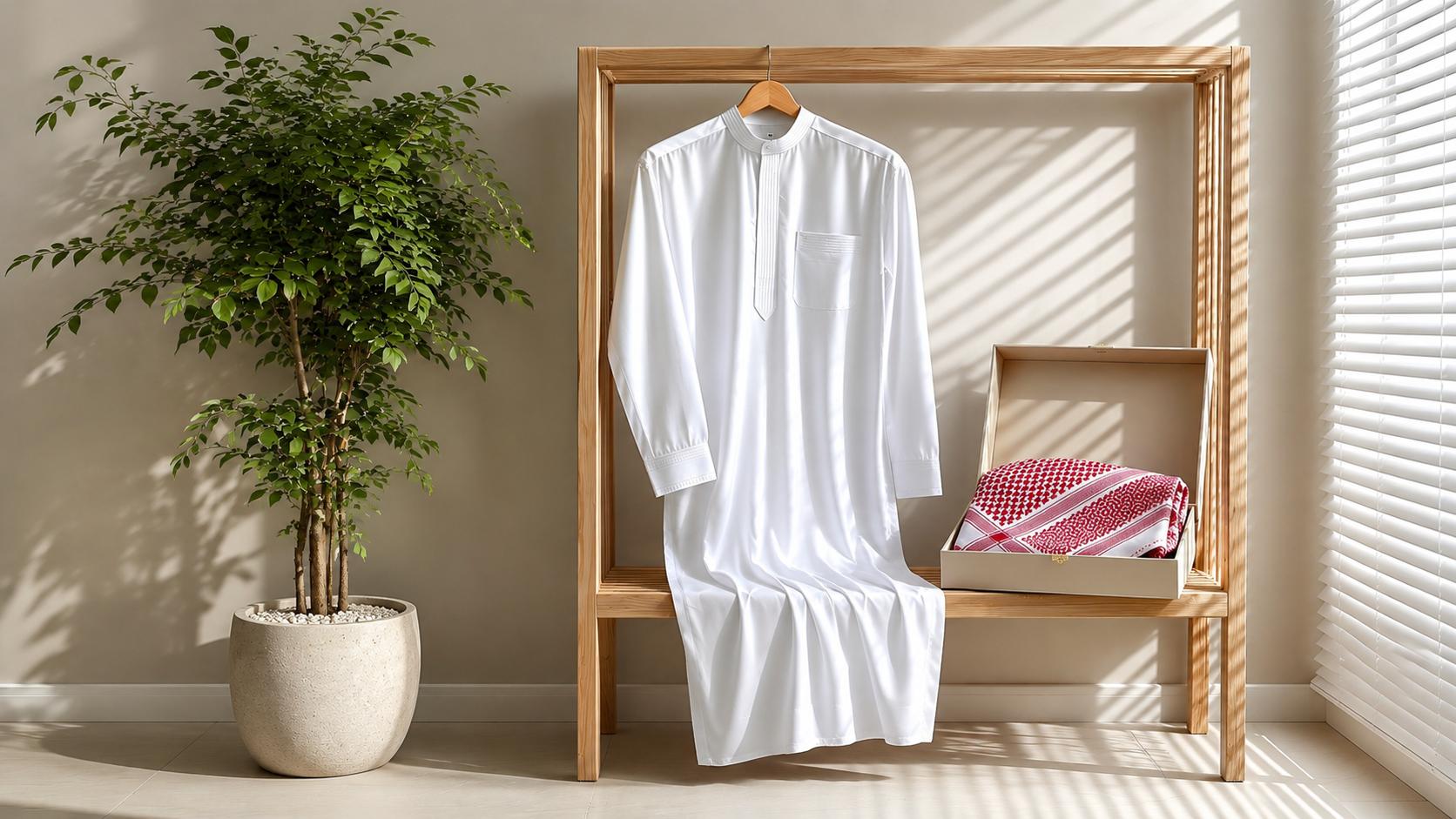
Walk through any street in Riyadh, Jeddah, or Madinah and you will see men dressed in long, clean, white robes. That garment is the thobe. It is the national dress of Saudi Arabia, worn every day by millions of men, from schoolboys to government ministers.
Outside Saudi Arabia, interest in the thobe has grown steadily, driven by British Muslim communities, converts to Islam, and anyone curious about Arab culture and modest menswear. But here is the problem: most of what is sold internationally as a "Saudi thobe" is anything but. The Saudi thobe has specific features that set it apart from every other thobe style in the Gulf, and knowing those features is the difference between buying something authentic and buying something generic.
This guide explains exactly what the Saudi thobe is, what makes it distinct, and how to choose and wear one.
A thobe (also written as thawb or thawab) is a long, ankle-length robe worn by men across the Arab world and parts of the Muslim world more broadly. The word simply means "garment" in Arabic.
The Saudi thobe specifically refers to the style worn in Saudi Arabia. It is different from the versions worn in the UAE, Oman, Kuwait, and Qatar, each of which has its own distinct cut, collar, and detailing. If you have ever wondered why thobes look slightly different from one country to another, that is why. They are regional garments with regional identities.
Quick note on names: In Saudi Arabia the thobe is sometimes called qamis or kamis. In the UAE it is called kandura. In Oman and parts of the Gulf, dishdasha is common. They all refer to the same type of garment, but each with its own regional characteristics.
This is where most guides fall short. They tell you what a thobe is without explaining why the Saudi version is specific.
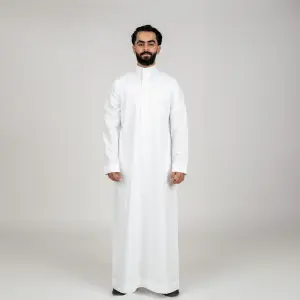
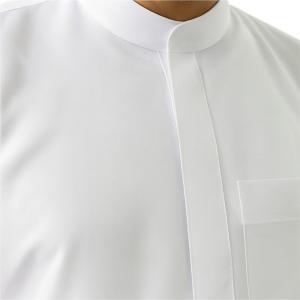
Collar: The Saudi thobe has a distinctive two-button, shirt-style collar. This is one of its most recognizable features and sets it apart immediately from the collarless Emirati kandura.
Fit: It is slim and structured, closer to a fitted dress shirt than a loose robe. It has a clean, tailored silhouette without being tight.
Cuffs: Saudi thobes typically have buttoned cuffs, similar to a dress shirt.
Length: Ankle-length, in line with Islamic modesty principles.
Color: White is the most traditional and common color, particularly for daily and formal wear. Cream, beige, and light grey are worn in cooler months.
Details: The kalli, a set of five distinctive decorative stitches on either side of the front pockets, is a feature specific to the Saudi style.
Here is a straightforward comparison of the main differences between the Saudi thobe and its closest Gulf relatives.
| Feature | Saudi Thobe | Emirati Kandura | Omani Dishdasha |
|---|---|---|---|
| Collar | Shirt-style, 2 buttons | Collarless with tassel | Stiff stand collar |
| Fit | Slim and structured | Relaxed, flowing | Slightly relaxed |
| Cuffs | Buttoned shirt cuffs | Often open | Buttoned |
| Signature detail | Kalli stitching | Tassel at neck (farwa) | Side embroidery |
| Common color | White | White | White + colored |
| Fabric | Cotton or poly blend | Cotton or satin | Cotton |
The thobe is a complete outfit on its own, but it is often paired with other garments, particularly for formal occasions or prayer.
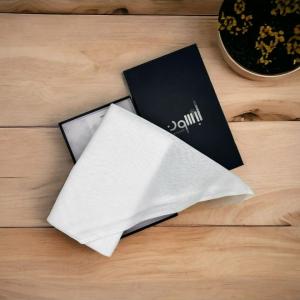
The shemagh (also called ghutra) is the traditional headscarf worn with a thobe. White is the most formal and universally appropriate choice. Red and white is also common. It is held in place by the iqal, the black cord ring worn on top. For everyday wear, many men skip the headscarf entirely. For Friday prayers, weddings, or formal occasions, it completes the look.
Buy Now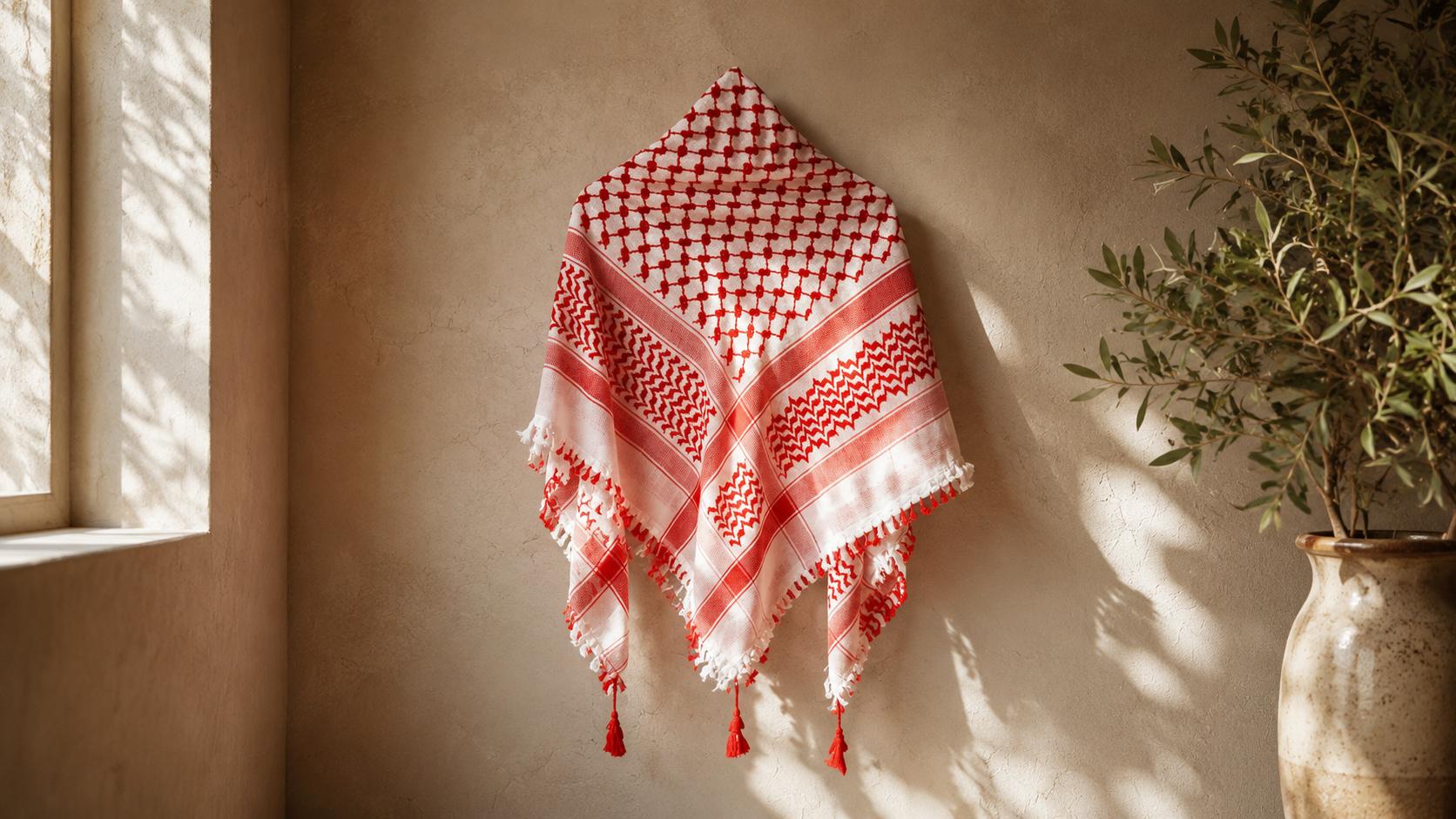
A taqiyah is a small rounded cap worn on the head, often under the shemagh or on its own. It is particularly common for prayer. A simple white taqiyah is a clean, understated choice with any thobe.
Buy Now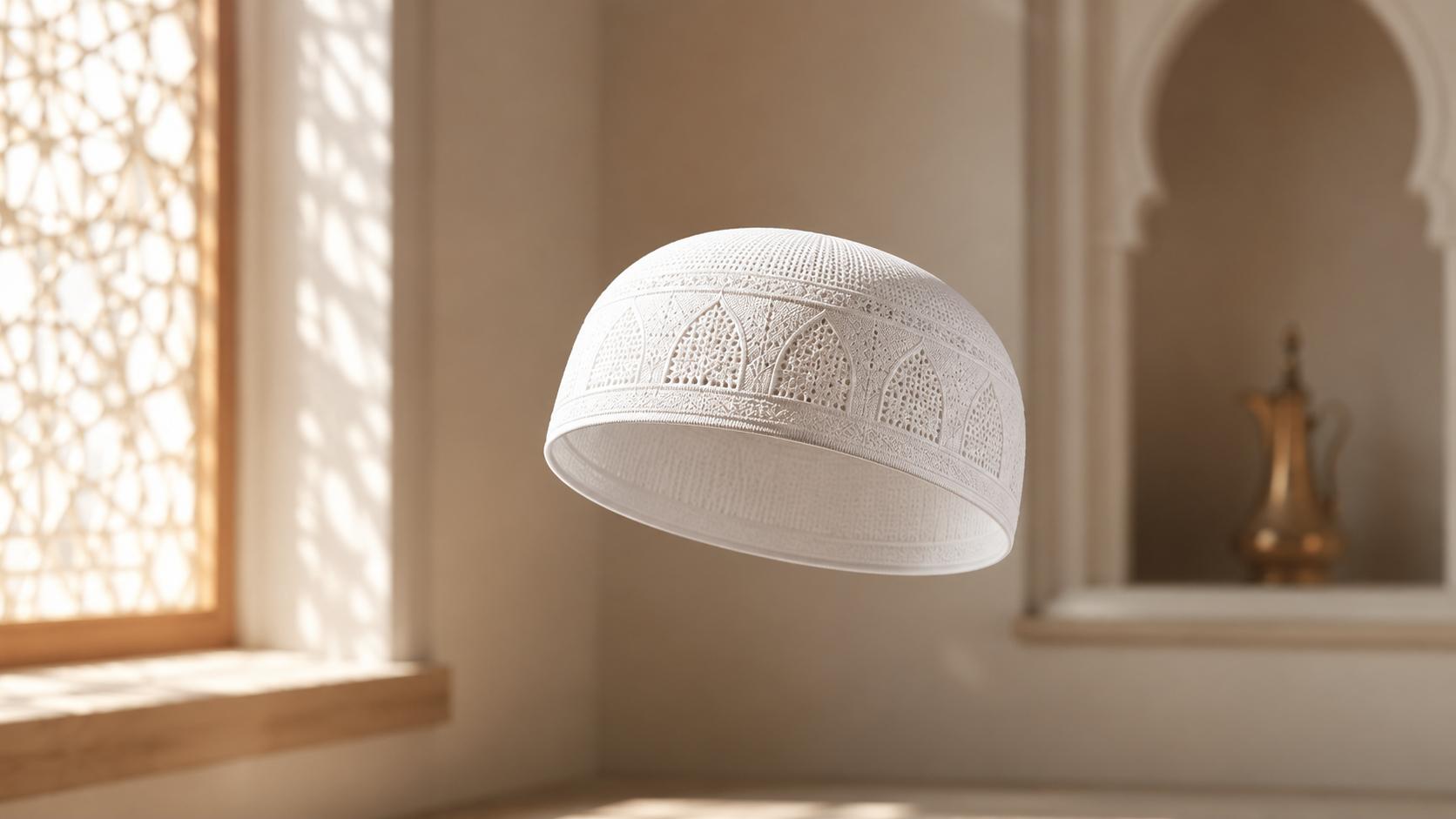
The bisht is a flowing ceremonial cloak worn over the thobe for very formal occasions, think weddings, government events, and important ceremonies. It is usually black, brown, or cream with gold or silver trim and signals a high level of formality or status. You will not need this for everyday wear, but it is worth knowing what it is when you see it.
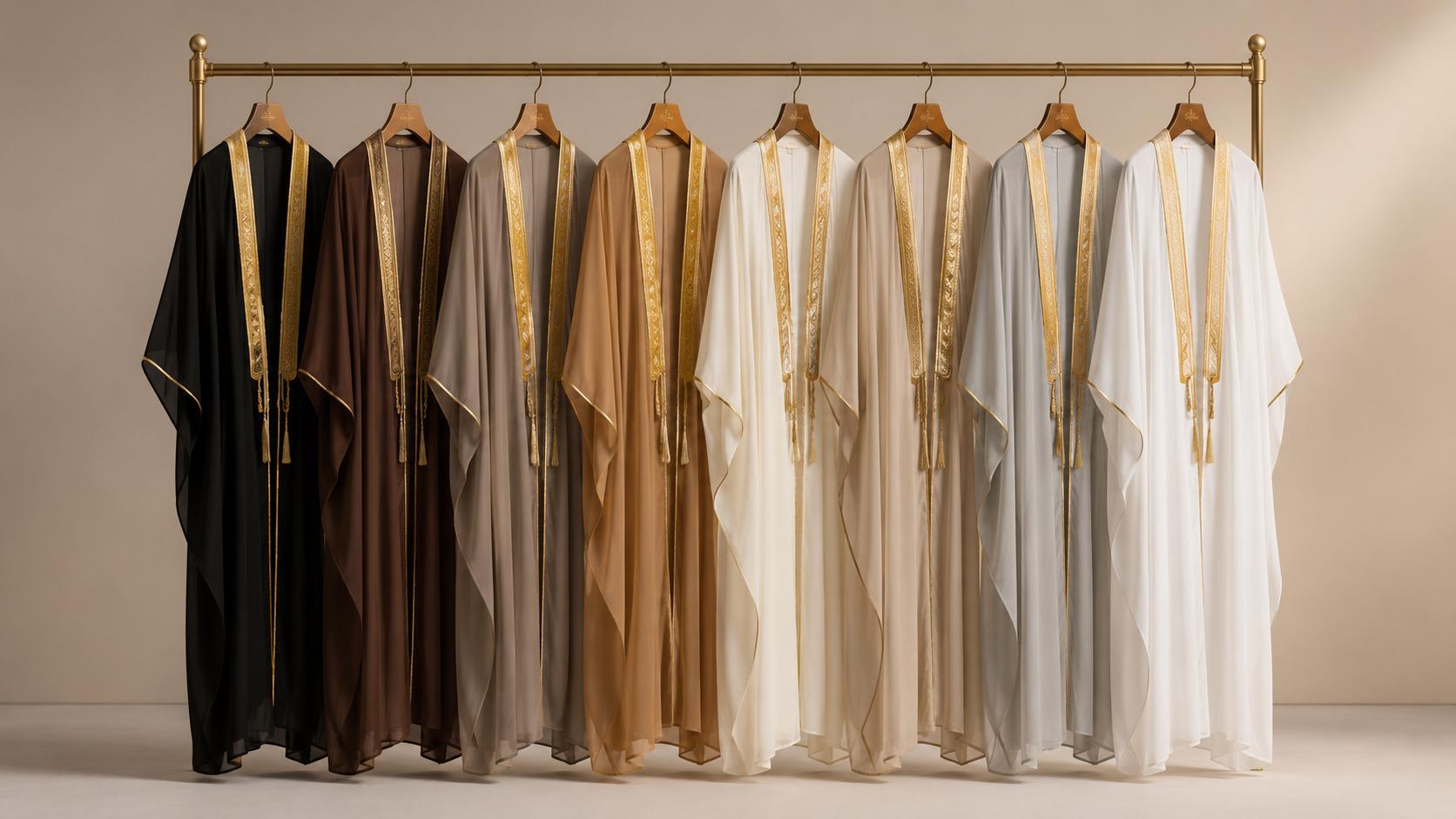
The thobe is more versatile than people outside Saudi Arabia tend to assume. Here is a simple guide to occasion-appropriate wearing.
Daily wear: A clean white cotton thobe is perfectly appropriate for work, shopping, and everyday life in Saudi Arabia. In the UK or Europe, many Muslim men wear thobes to the mosque, at home, and on weekends.
Friday Jummah prayer: A fresh white thobe is traditional for Friday prayers. Pair with a taqiyah or ghutra for a complete look.
Eid celebrations: Eid is the occasion most associated with wearing something new. A well-tailored white or cream Saudi thobe is the traditional choice. This is also when gifting a thobe to someone is most appreciated.
Weddings and formal events: A bisht over the thobe elevates the look to formal. Without a bisht, a high-quality tailored thobe is still entirely appropriate for wedding attendance.
Everyday modest wear outside Saudi Arabia: Many Muslim men living in the UK, Europe, or North America wear thobes as their everyday home and mosque attire. Cotton thobes work well in warmer months; wool or heavier poly blends are better for winter.
Yes. The thobe is a cultural garment, not a religious requirement in Islam. It is worn by Muslims because it reflects modesty and resembles the style of dress from the time of the Prophet Muhammad (PBUH), but it is not restricted to Muslims.
Non-Muslims wearing a thobe out of genuine cultural appreciation, for example when visiting Saudi Arabia, attending a Muslim event, or simply exploring modest fashion, is entirely appropriate. The key, as with any cultural garment, is wearing it with respect and understanding rather than as a costume.
This is where it is worth paying attention. Most thobes sold internationally are not sourced from Saudi Arabia. They are UK or European-based interpretations of the Saudi style, produced in factories elsewhere. That is not inherently wrong, but if you want something authentic, the origin matters.
At Tent sources men's thobes and Saudi clothing directly from Saudi manufacturers. The fabric, the cut, and the tailoring all come from the country where this garment has been refined over generations. That is a different thing from buying a Saudi-style thobe made by a UK brand.
A few things to check before you buy:
Fabric weight: Cotton is the most breathable for everyday wear. Heavier blends work better in winter climates.
Collar detail: A proper Saudi thobe has a two-button shirt collar. If it is collarless, it is likely an Emirati or generic style.
Sizing: Thobe sizing follows height and chest measurements. If you are buying online, always check the size guide and measure at the shoulder before ordering.
Origin: Ask or check whether the thobe is sourced from Saudi Arabia or made elsewhere in a Saudi style.
Shop Authentic Saudi Thobes on At Tent Sourced directly from Saudi manufacturers. Available in classic white and seasonal colors, with shemagh, taqiyah, and accessories. Explore Men's Saudi Wear | tent.com.sa/products/men’s-wear |
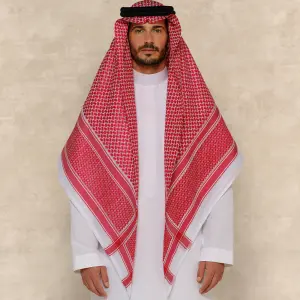
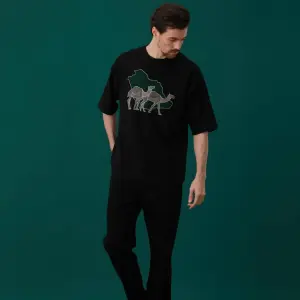
The Saudi thobe has a structured, two-button shirt-style collar and buttoned cuffs, with a slim and tailored fit. The Emirati kandura is collarless with a decorative tassel at the neck and a more relaxed, flowing cut. They are visually quite different once you know what to look for.
In Saudi Arabia, the thobe is sometimes called qamis or kamis. The word thobe (or thawb) is widely understood across the Arab world, but you will hear qamis used locally.
The thobe itself is not directly prescribed as Sunnah. However, many Muslims consider it Sunnah-friendly because it fulfils the Islamic principles of modesty and resembles the style of dress from the time of the Prophet Muhammad (PBUH). It is a cultural and traditional garment rather than a religious requirement.
Cotton is the best choice for everyday wear, especially in warm climates or during summer months. It is breathable and comfortable for long periods. For colder climates or winter months, a heavier polyester blend or wool mix will keep you warmer while maintaining the clean, tailored look of the thobe.
Thobes are typically sized by height and chest measurement rather than standard S, M, L sizing. Measure your height in centimetres and your chest at its widest point. Most quality suppliers provide a size chart based on these two measurements. When in doubt, size up for comfort rather than down.
Yes, and it is one of the most thoughtful gifts you can give a Muslim man. A well-made Saudi thobe is worn regularly, cared for, and genuinely appreciated. It is particularly popular as a gift for Eid, Islamic New Year, weddings, and graduations. If you are unsure of the size, a gift card or a note asking for measurements first is a considerate alternative.
Share:
New to buying abayas online? This abaya buying guide covers types, fabrics, fit, and sizing so you can order internation...
A complete guide to Saudi spices, from Kabsa spice mix ingredients to everyday seasonings, discover the essential Saudi...
Some of Saudi Arabia's most beloved baked goods are still unknown to much of the world. Explore traditional favorites li...
Ten Saudi-origin superfoods nutritionists and health buyers seek worldwide. From Ajwa dates to black seed and Talbina, d...