
New to buying abayas online? This abaya buying guide covers types, fabrics, fit, and sizing so you can order internation...

There is a whole chapter of the world's baking tradition that most people outside the Arab world have never come across. Not because it is obscure, but because it simply has not had the kind of global platform that French pastry or Japanese confectionery enjoys.
Saudi Arabia has been baking for centuries. The recipes are specific, the occasions are important, and the flavors are unlike anything you find in a Western bakery. If your frame of reference for Middle Eastern sweets stops at baklava, you are missing most of the story.
This guide covers the Saudi baked goods worth knowing about, what they are, what makes them special, and why they have stayed beloved across generations.
A few things distinguish Saudi baking from other traditions. The first is dates. Saudi Arabia produces more dates than almost any other country in the world, and dates are central to the baking tradition in a way that goes far beyond just using them as a sweetener. They appear as whole fillings, as pastes, as the structural core of entire biscuit categories.
The second is spice. Cardamom is to Saudi baking what vanilla is to Western baking: the foundational flavor note that runs through almost everything. Rose water and saffron appear in more delicate preparations. Together they create a flavor profile that is warm, fragrant, and instantly recognizable.
The third is occasion. Saudi baked goods are not every day snacks the way a bag of crisps is. They are made for gatherings, for Eid, for Ramadan, for welcoming guests, and for celebrating milestones. That cultural context is baked into them in every sense.
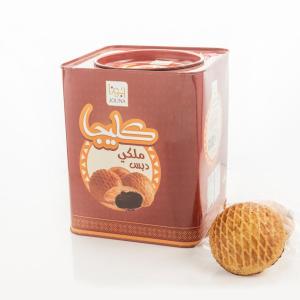
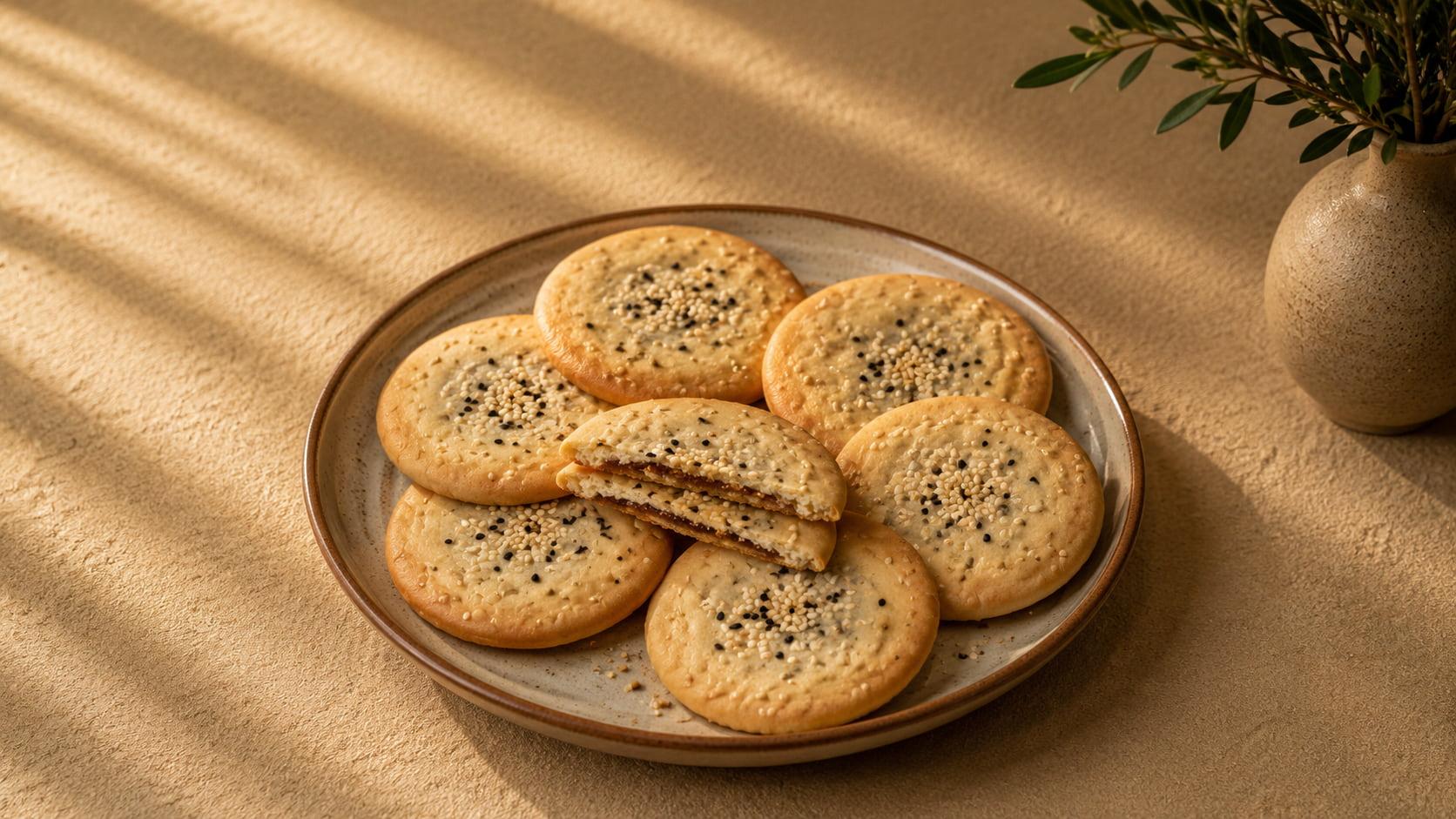
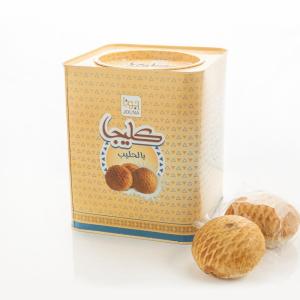
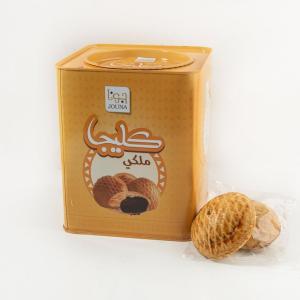
Kleija is the most distinctly Saudi baked good on this list. It does not have a close equivalent in Western baking, which is part of why it surprises people the first time they try it.
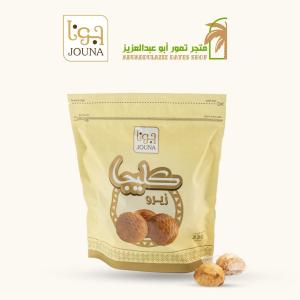
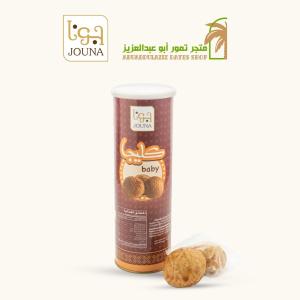
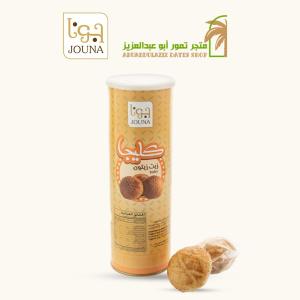
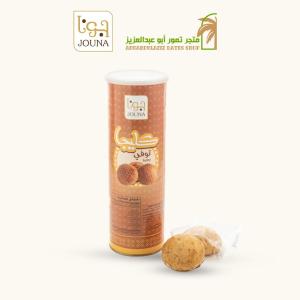
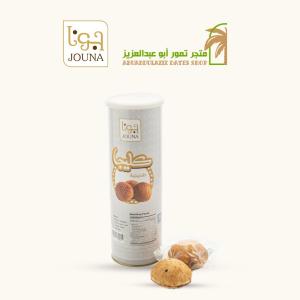
It is a small, round or oval biscuit made from a simple enriched dough flavored with cardamom. Inside there is a date filling or sometimes a mix of dates and sesame, pressed together and baked until the outside is just golden. Some versions are dusted with sesame seeds on top.
Kleija is the biscuit Saudi families bake for Eid, for guests, and for any occasion where something homemade and meaningful is called for. It is not sweet in the way a chocolate chip cookie is sweet. It is warm, spiced, and satisfying in a more subtle way.
Buy Now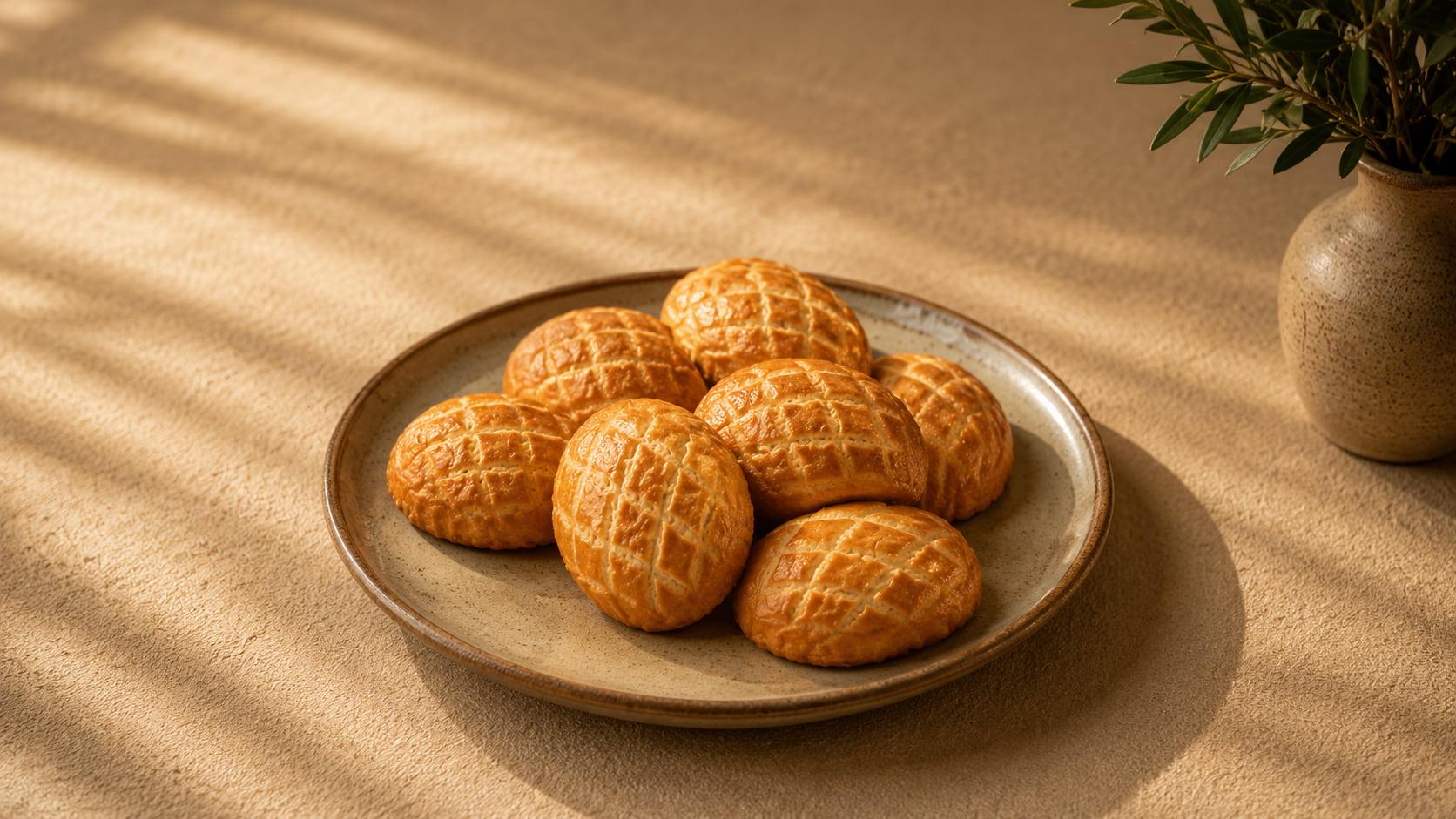
Maamoul is better known internationally than Kleija, partly because versions of it exist across Lebanon, Syria, Jordan, and Palestine as well. But the Saudi version has its own character.
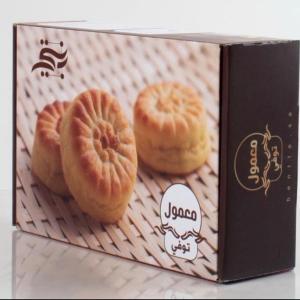
These are shortbread-style cookies made with semolina dough and filled with dates, walnuts, or pistachios. What makes them visually distinct is the mould they are pressed into before baking. The wooden moulds, called tabi, press decorative floral or geometric patterns into the surface of each cookie. The result is a small pastry that looks as though someone spent a great deal of time on it.
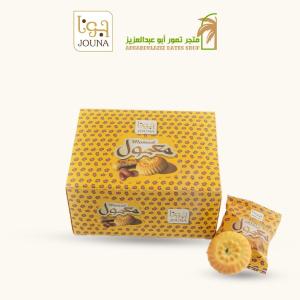
In Saudi households, Maamoul are made in large batches before Eid and gifted to neighbors, family members, and guests. Receiving a plate of Maamoul is a meaningful gesture. The date-filled version, made with high-quality Saudi dates and a touch of rose water in the dough, is the most traditional.
Buy Now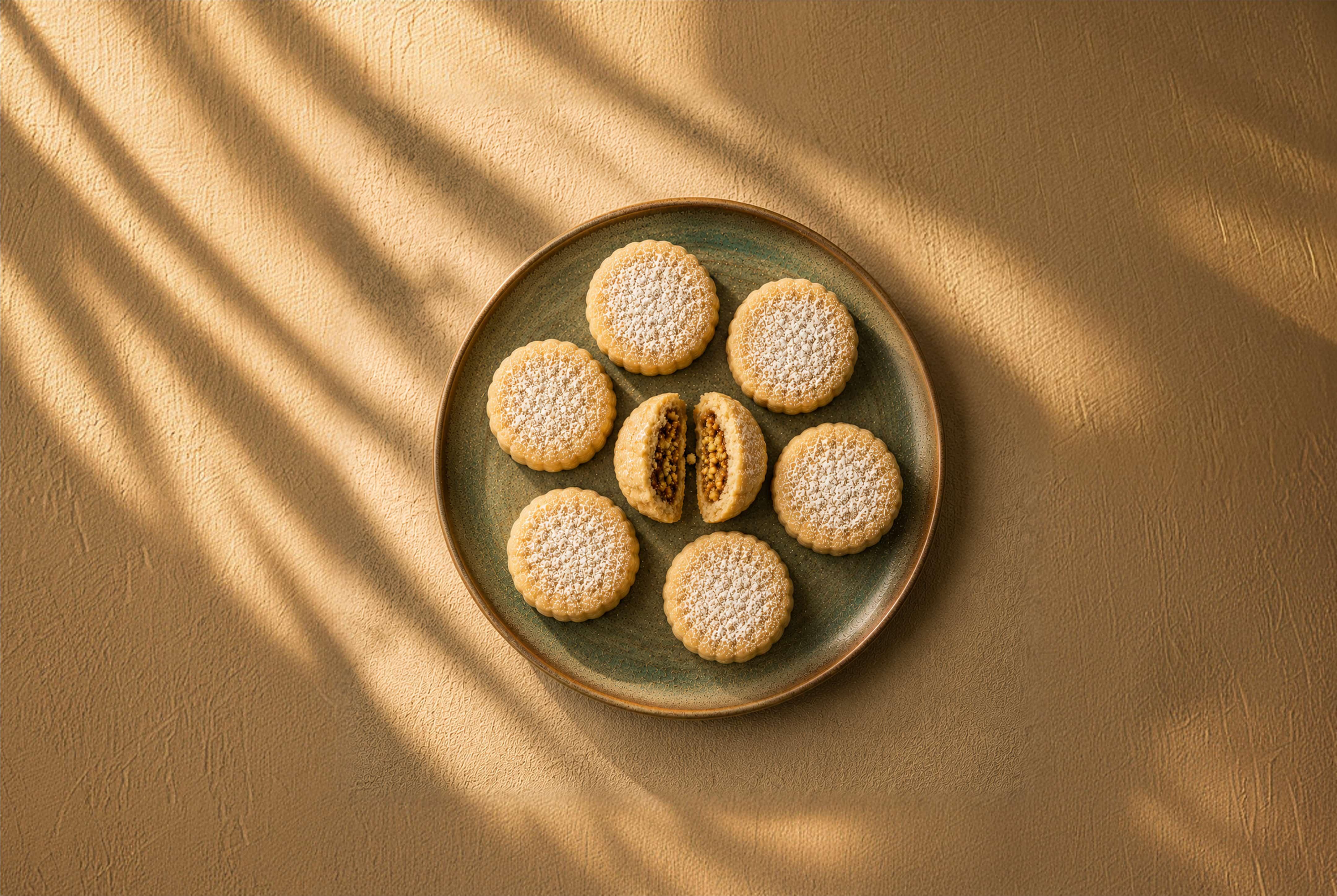
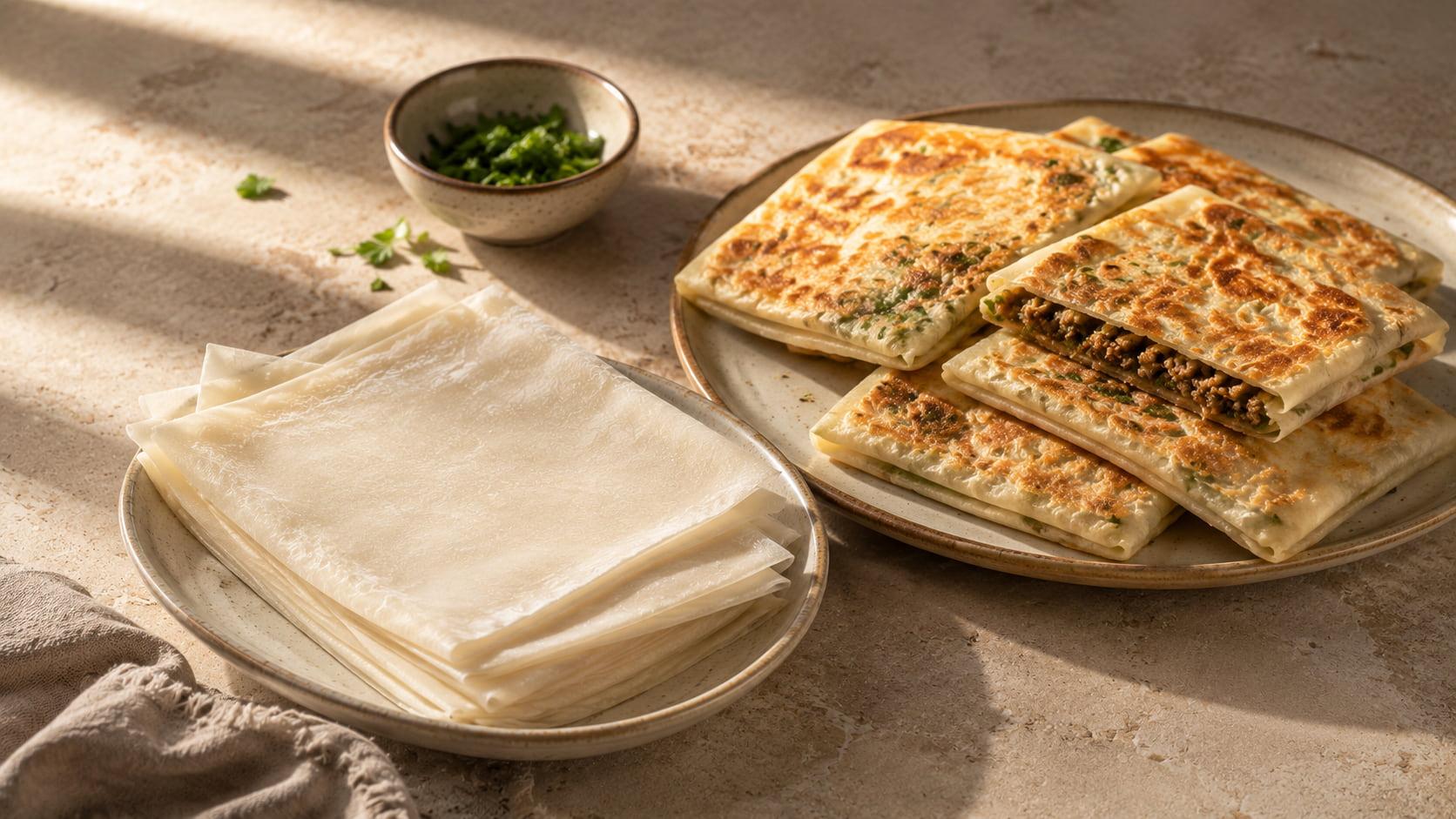
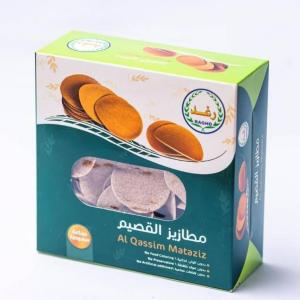
Rahaif are thin, layered pastry sheets, cooked on a griddle rather than baked in an oven. They are somewhere between a flatbread and a crepe in texture, slightly crisp at the edges and soft in the middle, with visible layers from the folding technique used during preparation.
They are usually served warm with honey or date syrup drizzled over the top, sometimes with a sprinkle of sesame seeds or a spoonful of cream. In Saudi homes they are a breakfast food and a celebration food in equal measure. The packaged, long-life version available through AtTent retains that layered texture and works well as both a standalone snack and a base for topping.
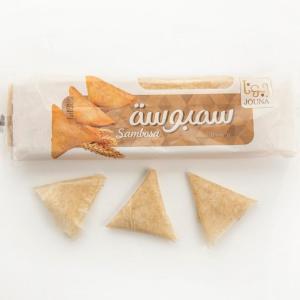
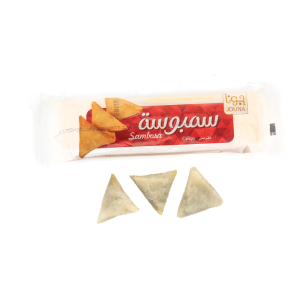
These two are different products that share a similar origin: thin pastry dough designed for wrapping and frying. Samosa sheets are ready-to-fill pastry sheets used for making sambosa, the Saudi take on the samosa, typically filled with spiced meat or cheese and fried until golden.
Muttabaq is a larger, stuffed pastry that can be either sweet or savory. The sweet version is often filled with banana, egg, and sugar, then folded and fried. The savory version contains meat and egg. Both are popular street foods in Saudi Arabia and parts of Southeast Asia, and both travel well as packaged products.
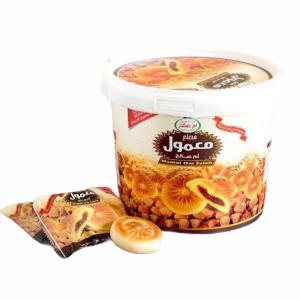
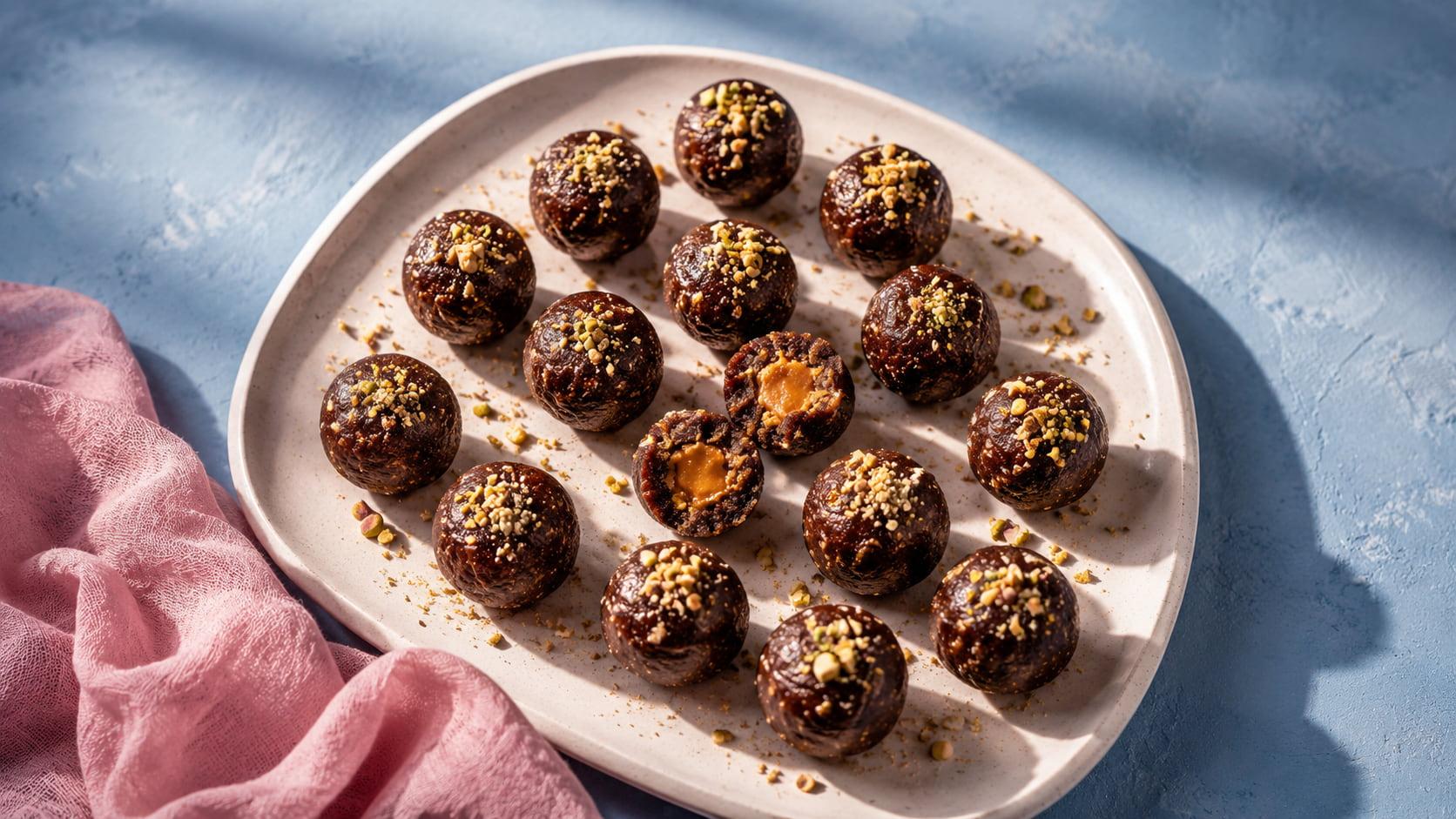
Date balls are exactly what the name suggests: pressed portions of date paste, sometimes mixed with oats, nuts, or desiccated coconut, and rolled into small spheres. They require no baking. The natural sugar content of the dates binds everything together.
These sit at the crossover point between a traditional confection and a modern health snack, which is part of why they have found an audience well beyond Saudi Arabia. The ingredients are simple and recognizable. The taste is naturally sweet without any added sugar. And they travel and store exceptionally well.
There is a practical argument for Saudi baked goods beyond the flavor. Most of them are long-life products. Kleija, Maamoul, and similar baked goods are produced with low moisture content and are packaged for shelf stability. This makes international shipping and retail significantly simpler than fresh bakery products.
Shelf-stable: most Saudi baked goods have a 3 to 12 month shelf life when properly packaged, making them suitable for international distribution
Halal by nature: all traditional Saudi baked goods are halal, giving them access to the estimated 2 billion Muslim consumers globally without any reformulation
No unfamiliar allergens in most traditional recipes: the core ingredients (dates, semolina, cardamom, sesame) are well-understood by international buyers
Gifting potential: these products have a strong gifting tradition attached to them, which translates well to premium and seasonal retail positioning abroad
Genuinely differentiated: no major Western brand makes anything quite like Kleija or traditional Maamoul, which means shelf space without direct competition
Outside of specialist Middle Eastern grocery stores, Saudi baked goods can be difficult to find in the UK, Europe, or North America. Most mainstream supermarkets do not carry them, and the versions that do appear are often generic interpretations rather than authentic Saudi-made products.
AtTent carries Kleija, Maamoul, Shaboura, samosa sheets, and other baked goods sourced directly from Saudi manufacturers. All products are packaged for international shipping, halal-certified, and available for both individual orders and wholesale enquiries.
Shop Saudi Baked Goods on AtTent Kleija, Maamoul, Rahaif, date balls, and more. Sourced from Saudi manufacturers and delivered internationally. Explore the range ➜ attent.com.sa/products/baked-goods |
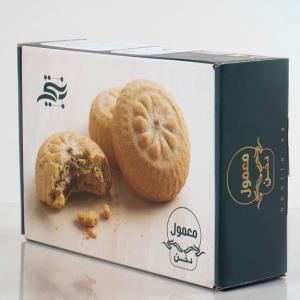
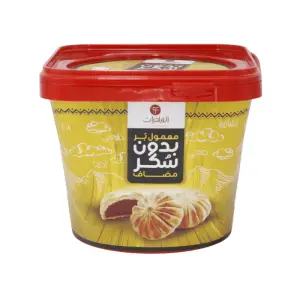
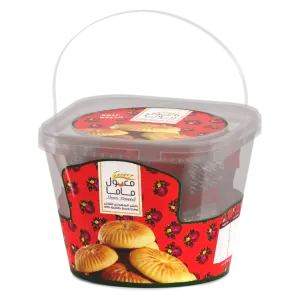
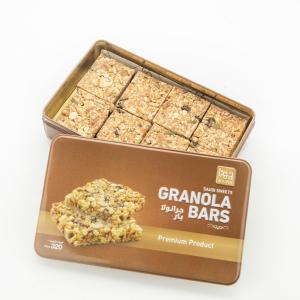
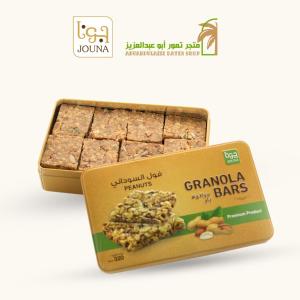
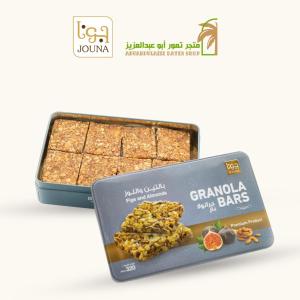
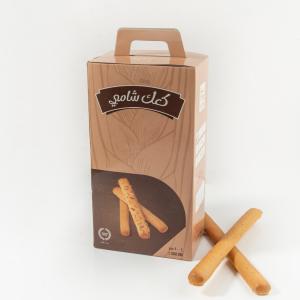
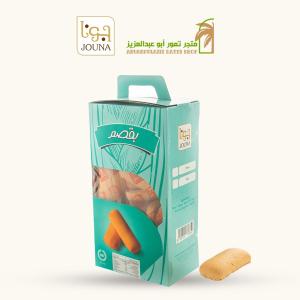
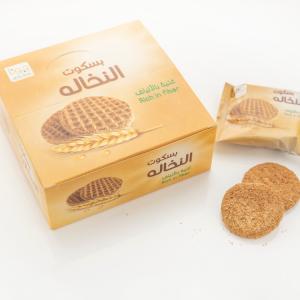
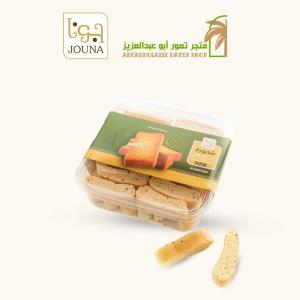
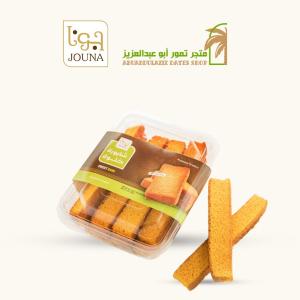
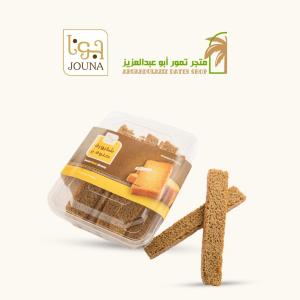
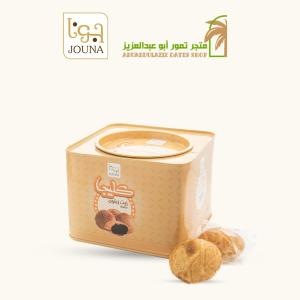
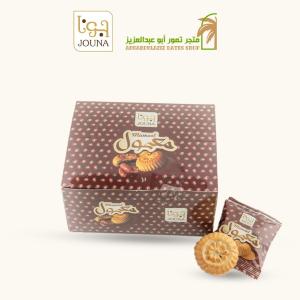
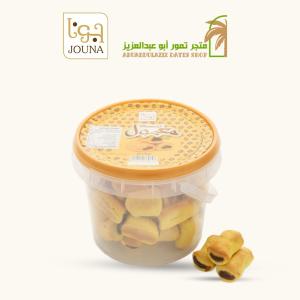
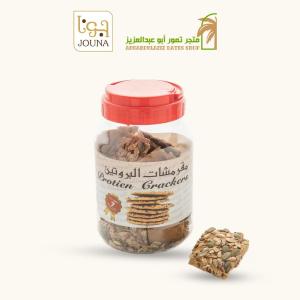
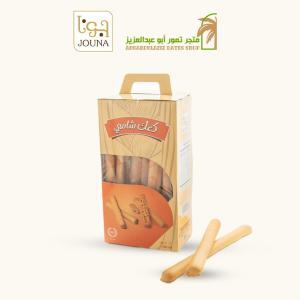
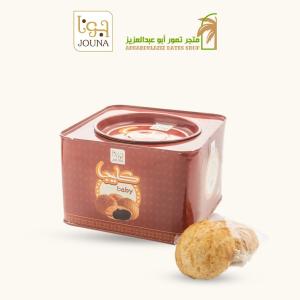
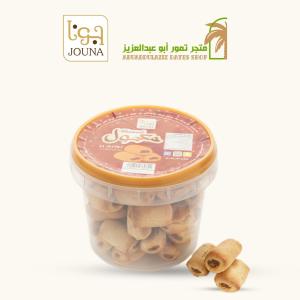
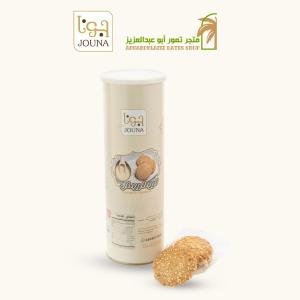
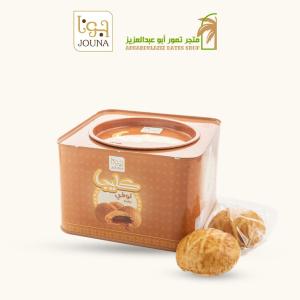
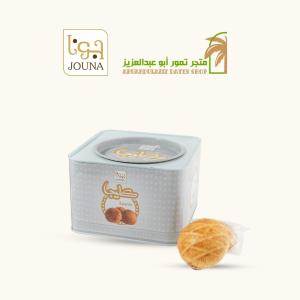
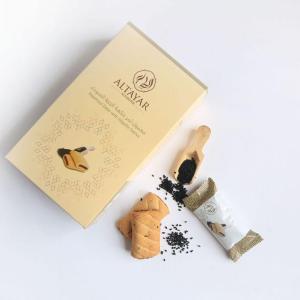
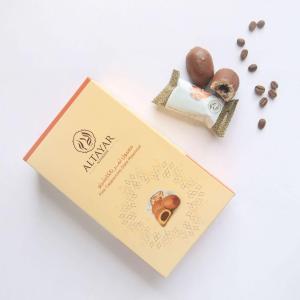
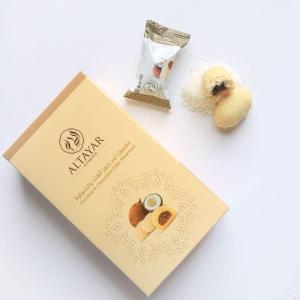
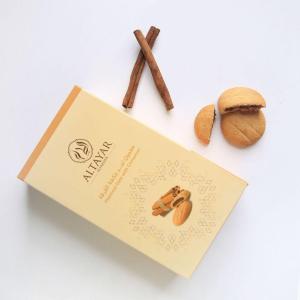
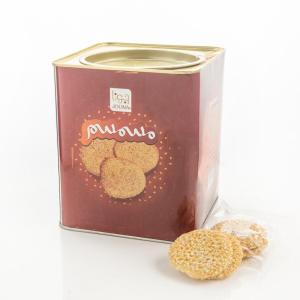
Maamoul is a traditional Middle Eastern shortbread cookie made with semolina dough and filled with dates, walnuts, or pistachios. The dough is pressed into a carved wooden mould before baking, which gives each cookie a decorative pattern on its surface. In Saudi Arabia, Maamoul are made in large quantities for Eid celebrations and given as gifts. The date-filled version with rose water in the dough is the most traditional.
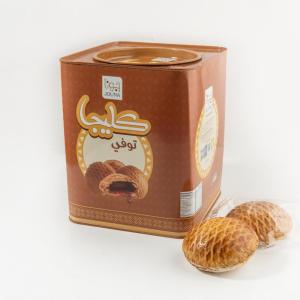
Kleija is a traditional Saudi biscuit made from cardamom-flavored dough with a date or sesame filling. It is one of the most distinctly Saudi baked goods and does not have a close equivalent in Western baking. It is less sweet than most Western biscuits and has a warm, spiced flavor from the cardamom. Kleija is baked for Eid, for guests, and for family gatherings.
Yes. AtTent ships Saudi baked goods including Kleija, Maamoul, Rahaif, and date balls internationally, including to the UK. Products are packaged for long-life shelf stability and delivered to your door.
Most traditional Saudi baked goods are produced with low moisture content and long shelf life in mind. Packaged Kleija and Maamoul typically last between 3 and 6 months when stored in a cool, dry place. Date balls and similar products have a similar shelf life. Always check the individual product packaging for exact best-before information.
Both are Saudi date-filled baked goods, but they are quite different in character. Maamoul is a shortbread-style cookie made with semolina dough, pressed into a decorative mould, and has a crumbly, buttery texture. Kleija is made from a simpler enriched dough flavored with cardamom, is more biscuit-like in texture, and is often oval or round without the elaborate moulded surface. Maamoul is more widely known across the broader Middle East, while Kleija is more specifically Saudi.
Very much so. Kleija and Maamoul have a strong gifting tradition attached to them in Saudi culture. They are made in large batches for Eid and given to friends, family, and neighbors. A beautifully packaged tin of Maamoul or Kleija is a thoughtful and culturally meaningful gift for Eid, Ramadan, or any occasion where you want to give something authentic and unexpected.
Share:
New to buying abayas online? This abaya buying guide covers types, fabrics, fit, and sizing so you can order internation...
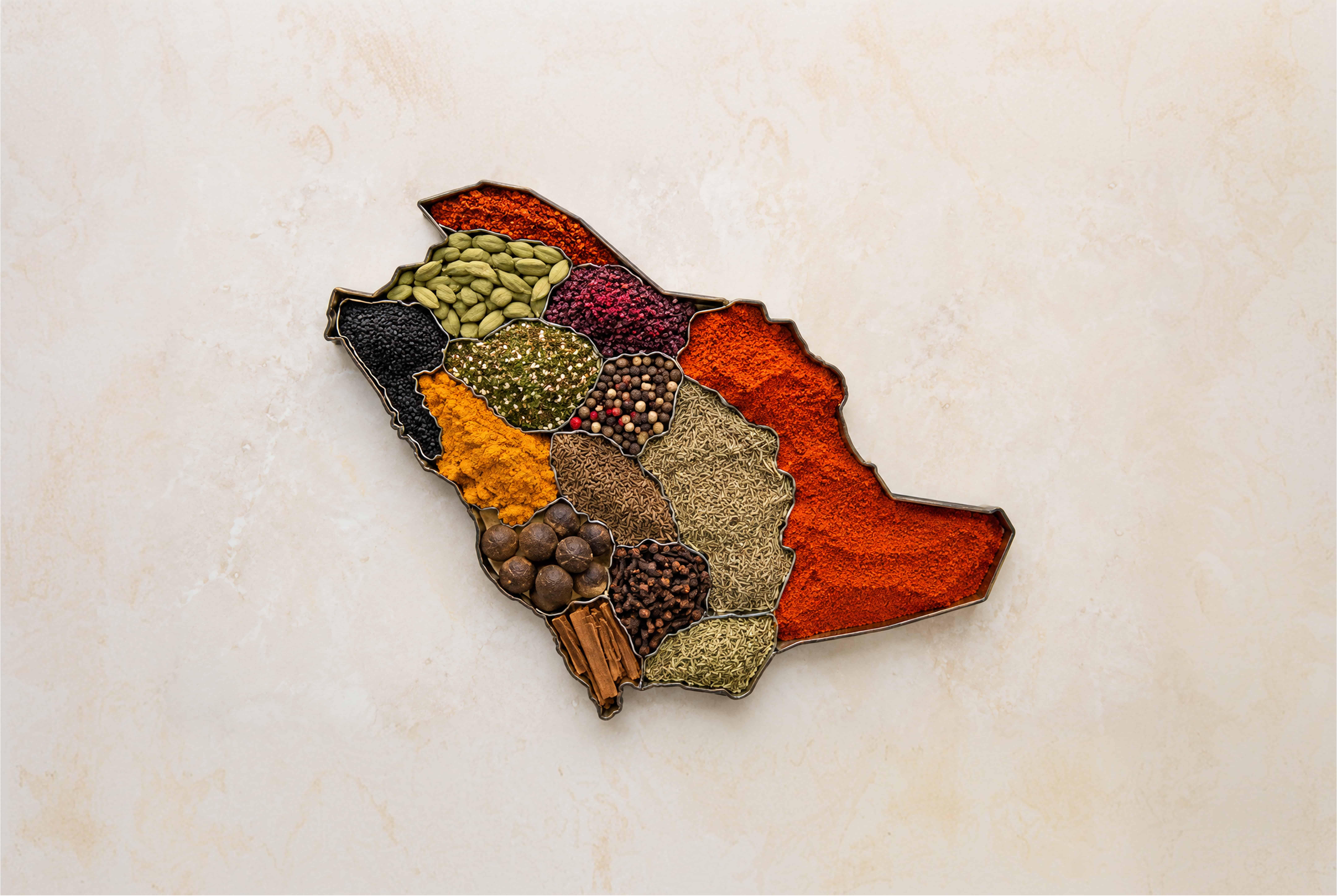
A complete guide to Saudi spices, from Kabsa spice mix ingredients to everyday seasonings, discover the essential Saudi...
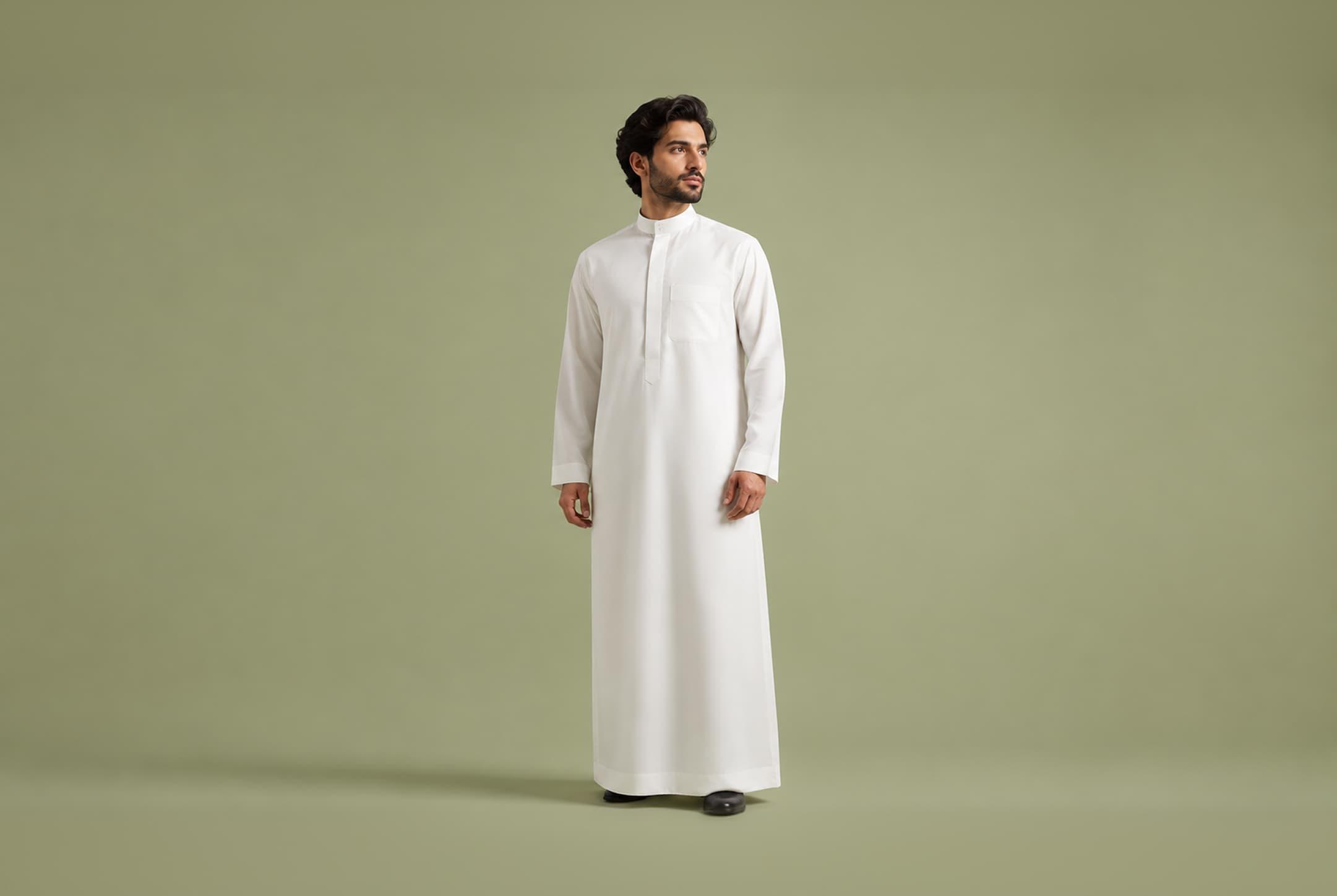
The Saudi thobe is more than traditional clothing. This guide covers what it is, how it differs from other styles, how t...
Ten Saudi-origin superfoods nutritionists and health buyers seek worldwide. From Ajwa dates to black seed and Talbina, d...